Your Competitor Isn’t Better Than You. They’re Just Easier to Find: How a Web Development Company in Dehradun Fixes That
the article is about web development
Discover, learn, and grow with stories from our ecosystem members.
the article is about web development
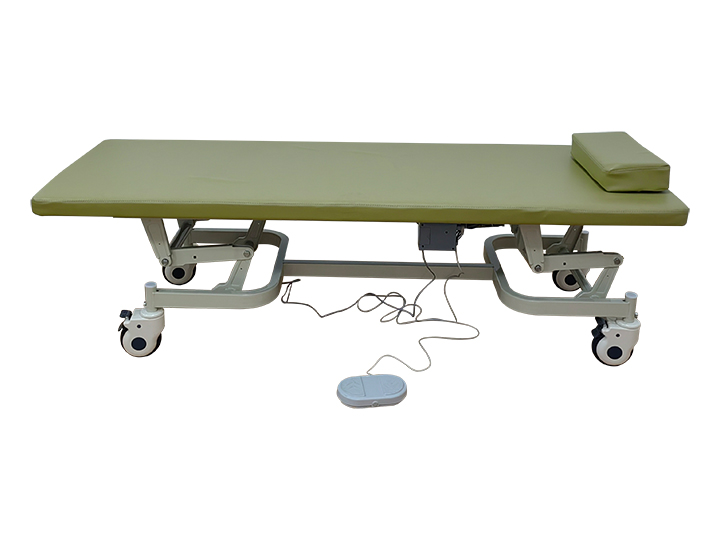
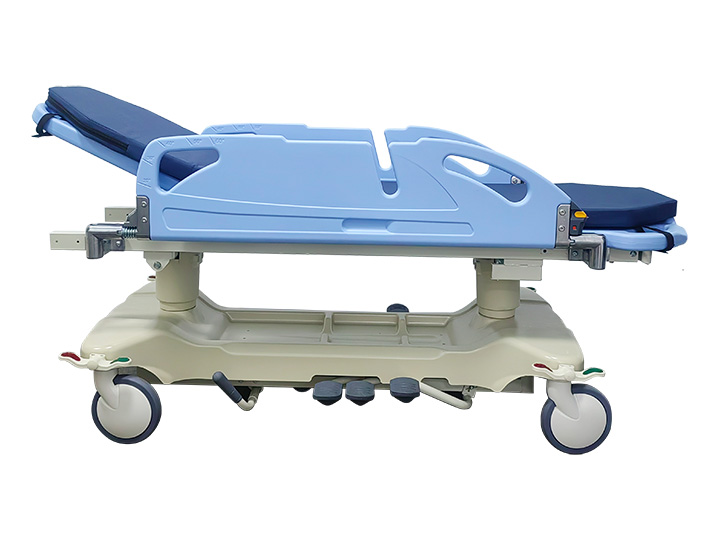
When every second counts in emergency medical care, the equipment used to transport patients can mean the difference between life and death. Rescue beds, also known as emergency beds or medical gurneys, serve as the crucial link between the point of injury or illness and definitive medical treatment. These specialized pieces of equipment have evolved significantly over the past decades, incorporating advanced engineering principles and materials science to meet the demanding requirements of modern healthcare systems worldwide.The rescue bed industry has responded to increasing demands from emergency services, hospitals, and disaster response organizations by developing products that prioritize patient safety, operator efficiency, and durability under extreme conditions. Understanding the capabilities and applications of modern rescue beds is essential for healthcare administrators, emergency medical technicians, and procurement specialists seeking to optimize their medical response capabilities.Engineering Excellence in Emergency Patient TransportContemporary rescue beds represent a convergence of mechanical engineering, materials science, and ergonomic design principles. Modern units typically feature aircraft-grade aluminum or high-strength steel frames that provide exceptional load-bearing capacity while maintaining a manageable weight for manual handling. Most professional rescue beds support patient weights ranging from 250 to 500 kilograms, with some heavy-duty models rated for up to 700 kilograms to accommodate bariatric patients safely.The standard dimensions of a rescue bed typically measure approximately 190 to 210 centimeters in length and 55 to 65 centimeters in width, providing adequate space for patient comfort and medical intervention during transport. Height adjustment mechanisms allow operators to raise the bed surface to wheelchair height for safe patient transfer, typically ranging from 50 to 90 centimeters in the lowest and highest positions respectively. These adjustable heights reduce the risk of back injuries among medical personnel, addressing a significant occupational health concern in healthcare settings.Surface materials have undergone substantial innovation, with waterproof, antimicrobial fabrics replacing traditional upholstery that harbored bacteria and proved difficult to clean. Many rescue beds now incorporate radiolucent platforms that allow medical teams to perform X-ray imaging without moving the patient, reducing unnecessary movement during critical diagnostic phases. The inclusion of built-in oxygen bottle holders, IV pole mounting points, and integrated restraint straps demonstrates how manufacturers have responded to the comprehensive needs of emergency medical teams.Diverse Applications Across Medical and Rescue OperationsThe versatility of rescue beds extends far beyond traditional hospital emergency departments. Ambulance services rely heavily on these specialized stretchers, with modern transport gurneys designed for rapid loading and unloading from emergency vehicles. The typical ambulance-compatible rescue bed weighs between 35 and 55 kilograms, enabling two-person crews to safely handle patient transport while maintaining stability over uneven terrain.In disaster response scenarios, rescue beds play a vital role in establishing temporary medical facilities and field hospitals. Following natural disasters such as earthquakes, hurricanes, or floods, emergency management agencies deploy specialized rescue beds capable of rapid deployment and assembly. These units often feature modular designs that allow for quick disassembly and transport to inaccessible locations via helicopter or small aircraft. The ability to establish functional patient holding areas quickly has proven invaluable during mass casualty incidents where overwhelmed medical facilities require external support.Search and rescue operations present unique challenges that have driven further innovation in rescue bed design. Wilderness rescue teams utilize lightweight stretcher systems constructed from advanced composite materials that can withstand extreme temperatures and corrosive environments. Some models incorporate built-in flotation devices for water rescue applications, while others feature snowmobile-compatible mounting systems for alpine rescue operations. The rugged construction of these specialized units ensures reliable performance in conditions where equipment failure could have catastrophic consequences.Long-term care facilities and nursing homes have also recognized the importance of quality rescue beds for patient transfers between rooms, examination areas, and transportation vehicles. The smooth-rolling casters and intuitive height adjustment mechanisms found on modern units significantly reduce the physical strain on care staff while improving patient comfort during routine transfers.Selection Criteria and Operational Best PracticesHealthcare organizations evaluating rescue bed purchases should consider several critical factors beyond initial acquisition costs. The total cost of ownership encompasses maintenance requirements, replacement parts availability, and expected service life under operational conditions. Premium rescue beds with quality components may require less frequent maintenance and offer extended operational lifespans, providing better long-term value despite higher upfront investment.Compliance with international standards represents another essential consideration. Rescue beds intended for use in North American markets should meet relevant ASTM International or Healthcare Standards Organization requirements, while European markets typically require CE marking under the Medical Device Regulation. These certifications ensure that products have undergone rigorous testing for structural integrity, patient safety features, and electromagnetic compatibility where applicable.Staff training and ergonomic considerations should factor prominently in procurement decisions. Organizations should ensure that all personnel who will operate rescue beds receive comprehensive training on proper handling techniques, safety restraint usage, and emergency procedures. Regular competency assessments help maintain safe operational practices and identify areas where additional training may be beneficial.Maintenance protocols should include regular inspection of structural components, verification of all mechanical adjustment mechanisms, and cleaning procedures that prevent cross-contamination between patients. Many manufacturers recommend specific inspection intervals ranging from monthly to quarterly depending on usage intensity. Documentation of maintenance activities supports regulatory compliance and helps identify patterns that might indicate impending component failures.## Future Directions in rescue bed TechnologyThe rescue bed industry continues to evolve with emerging technologies that promise enhanced patient care capabilities. Integration of sensor systems that monitor patient vital signs during transport represents a significant development trend, allowing continuous monitoring without requiring additional equipment setup. Some manufacturers are exploring powered propulsion systems that could reduce operator fatigue during extended transports or navigate challenging environments more effectively.Materials science continues to yield innovations in surface coatings and structural components that improve cleanliness, durability, and patient comfort. The ongoing development of smart hospital infrastructure will likely drive further integration between rescue beds and facility systems, enabling automated patient tracking, documentation transfer, and asset management capabilities that improve operational efficiency across healthcare networks.As emergency medical services continue to advance, the importance of reliable, well-designed rescue beds will only increase. Healthcare organizations that invest in quality equipment, comprehensive training, and proper maintenance protocols position themselves to deliver optimal patient outcomes during the critical moments when every second matters.

Lifestyle & Culture
Industrial grinding has evolved significantly over the past century, and at the heart of many manufacturing processes lies the sand mill. This versatile piece of equipment has become indispensable across numerous sectors, from paints and coatings to ceramics and pharmaceuticals. Understanding how sand mills work, their technical specifications, and their applications can help businesses optimize their production processes and achieve superior product quality. This comprehensive guide explores everything you need to know about sand mills and their role in modern manufacturing.Understanding Sand Mill TechnologyA Sand Mill is a horizontal milling device that utilizes grinding mediaâtypically ceramic beadsâto reduce particle sizes in liquid formulations. The principle behind Sand Mill operation is deceptively simple yet highly effective. Material to be processed is fed into a cylindrical grinding chamber filled with specialized grinding media. As the shaft rotates at high speeds, it propels the beads into violent contact with each other and with the material particles suspended in the liquid medium. This intense friction and impact create tremendous shear forces that break down agglomerates and reduce particle sizes to the nanometer scale.The development of sand mill technology dates back to the early twentieth century when manufacturers sought more efficient methods for producing fine dispersions. Traditional ball mills proved too slow and inconsistent for high-volume production requirements. The sand mill addressed these limitations by introducing continuous processing capabilities and superior energy transfer efficiency. Modern sand mills can achieve particle size distributions far beyond what conventional methods could accomplish, enabling manufacturers to create products with enhanced properties and performance characteristics.Horizontal sand mills have become the preferred configuration for most industrial applications due to their superior cooling efficiency and consistent output quality. The horizontal orientation allows grinding media to circulate more freely and ensures that the shaft bearings remain isolated from the grinding chamber, preventing contamination of the product. This design also facilitates easier cleaning and maintenance, which proves critical in industries where product changeovers occur frequently.Technical Parameters and SpecificationsSelecting the appropriate sand mill requires careful consideration of several technical parameters that directly impact processing efficiency and final product quality. Understanding these specifications enables manufacturers to make informed purchasing decisions and optimize their production workflows.Motor Power represents one of the most critical specifications, typically ranging from 7.5 kW for laboratory-scale units to 250 kW or higher for production-scale equipment. The motor must deliver sufficient power to maintain optimal bead velocity throughout the grinding chamber, especially when processing high-viscosity materials or achieving extremely fine particle sizes. Insufficient motor power results in reduced throughput and inconsistent particle size distributions.Grinding Chamber Capacity varies considerably depending on the application scale, with laboratory models offering capacities of 0.5 to 2 liters, while production-scale units can exceed 500 liters. The chamber materialâtypically stainless steel, polyurethane, or ceramicâmust be selected based on chemical compatibility with the processed material and wear resistance requirements. Ceramic-lined chambers offer superior wear resistance for abrasive applications but at significantly higher cost.Agitator Speed generally ranges from 1,000 to 4,000 RPM, with higher speeds providing greater energy input but also increased heat generation and wear rates. Advanced variable frequency drives now allow operators to optimize speed profiles throughout the grinding cycle, adjusting parameters based on viscosity changes and target particle sizes.Bead Loading and Size significantly influence grinding efficiency and final particle size. Typical bead loadings range from 80% to 90% of chamber volume, with bead sizes from 0.3mm for nano-grinding applications to 3mm for coarse materials. Zirconia and yttria-stabilized zirconia beads have become industry standards due to their exceptional hardness, low wear rates, and minimal contamination risk.For example, a typical production sand mill processing ink formulations might operate with a 110 kW motor, 300-liter stainless steel chamber, 2,500 RPM agitator speed, and 1.2mm zirconia beads at 85% loading. This configuration typically achieves median particle sizes below 1 micron while maintaining throughput rates exceeding 5,000 liters per hour.Industrial Applications and Selection CriteriaSand mills serve critical functions across diverse manufacturing sectors, each with unique requirements that influence equipment selection and configuration. The paints and coatings industry represents one of the largest application areas, where sand mills enable the production of fine pigment dispersions that determine color strength, gloss retention, and weathering resistance. Architectural paints, automotive coatings, and industrial finishes all rely on sand mill processing to achieve the consistent quality that customers expect.The printing ink industry depends heavily on sand mill technology to produce the ultra-fine pigment dispersions required for high-quality printing applications. UV inks, solvent-based inks, and water-based inks all undergo sand mill processing to achieve the particle size distribution necessary for proper flow characteristics and color development. The pharmaceutical industry utilizes sand mills for producing suspension formulations and topical preparations where uniform particle size proves essential for bioavailability and patient comfort.Ceramic manufacturers employ sand mills to prepare slip and glaze materials with precisely controlled rheological properties. The ability to achieve consistent particle size distributions ensures proper suspension stability and controlled firing characteristics during the manufacturing process. Battery material producers increasingly rely on sand mills to achieve the nanoscale particle sizes required for next-generation lithium-ion batteries and other energy storage technologies.When selecting a sand mill, manufacturers should evaluate several factors beyond basic technical specifications. Process flexibility matters significantly for facilities producing diverse product lines, as equipment with quick-changeover capabilities minimizes downtime between production runs. Cooling system efficiency determines maximum processing rates for temperature-sensitive materials. Support infrastructure, including spare parts availability and technical service access, proves critical for maintaining optimal equipment performance over extended operating periods.Proper maintenance practices extend equipment life and ensure consistent product quality throughout the operational lifecycle. Regular inspection of seals, bearings, and wear components prevents unexpected failures and production interruptions. Monitoring bead wear rates helps schedule timely replacements before contamination or processing efficiency issues arise. Implementing cleaning validation protocols ensures product purity and prevents cross-contamination between different formulations.ConclusionSand mills have established themselves as essential equipment in modern industrial manufacturing, enabling the production of fine dispersions that define product quality across countless applications. From paints and coatings to pharmaceuticals and advanced ceramics, the ability to achieve consistent, nanoscale particle size distributions drives innovation and competitive advantage. Understanding the technical parameters, application requirements, and selection criteria outlined in this guide empowers manufacturers to optimize their grinding operations and achieve superior results. As processing requirements continue to evolve toward finer particle sizes and greater efficiency, Sand Mill technology will remain central to industrial success.**
Vacuum chuck technology provides exceptional holding force for precision machining and manufacturing applications.A vacuum chuck uses atmospheric pressure to secure workpieces without mechanical clamps. This eliminates surface damage and provides rapid part changes.Vacuum chucks are essential in semiconductor manufacturing, optical grinding, and precision milling operations where flatness requirements are critical.
Lifestyle & Culture
The evolution of laser cutting technology has fundamentally reshaped how manufacturers approach precision fabrication. From humble beginnings in laboratory settings to becoming an indispensable tool in modern industrial production, laser cutters have demonstrated remarkable versatility and efficiency.Laser cutting operates on a remarkably elegant principle: concentrated light energy transforms material directly into vapor or melt, creating clean, precise cuts without physical contact.Industrial laser cutters typically employ one of three primary laser sources. Carbon dioxide lasers excel at cutting non-metals. Fiber lasers demonstrate superior performance with metallic workpieces.Power output represents a critical specification that directly influences cutting capabilities. Entry-level systems operate at 40-100 watts, while medium-duty industrial machines range from 500-2000 watts.Manufacturing sectors have embraced laser cutting technology across diverse applications. The signage and advertising industry relies heavily on laser-cut components.The furniture manufacturing sector has experienced substantial transformation through laser cutting integration. Production facilities report material waste reduction of 15-30 percent.Sheet metal fabrication operations have adopted high-power fiber lasers at exceptional rates, replacing plasma cutting and waterjet cutting.Medical device manufacturing presents demanding requirements that laser cutting addresses effectively.Successful Laser Cutter integration requires careful evaluation of multiple factors. Material compatibility determines which laser source will best serve production requirements.Bed dimensions directly influence production flexibility and part size limitations. Standard industrial configurations range from 1300 by 900 millimeters to 3000 by 1500 millimeters.Software integration capabilities merit particular attention. Modern laser cutting systems should support standard file formats including DXF, DWG, AI, and PDF.Laser cutting technology continues advancing rapidly, with emerging developments including higher power sources, faster processing speeds, and improved automation capabilities. Organizations carefully evaluating their production requirements will position themselves to capture significant operational improvements through strategic laser cutting adoption.
Lifestyle & Culture
Robot grippers are essential end-of-arm tools in modern manufacturing. These mechanical devices enable robots to grasp, manipulate, and position objects with precision and reliability.Modern industrial robot grippers come in various types including pneumatic, electric, and hydraulic variants. Each offers unique advantages for specific applications in assembly, packaging, and material handling.The latest developments in collaborative robot grippers allow safe human-robot interaction, expanding automation possibilities in small and medium enterprises. Advanced sensor integration enables adaptive gripping force control for delicate items.Investing in quality robot grippers significantly improves production efficiency and product quality across manufacturing sectors.
Career & Business
Beam Roadside Service has been providing top-notch towing and roadside assistance in North Hollywood, CA for six years. Our commitment to customer satisfaction and competitive pricing sets us apart. Contact Us(818) 483-05266835 Tujunga Ave, North Hollywood, CA [email protected] to Sun9AM - 11PM
Travel & Adventure
Bringing You Back on Track, One Tow at a Time