

 Parenting & Family
Returning Home After a Hospital Stay: Essential Steps for a Safe, Supported Recovery
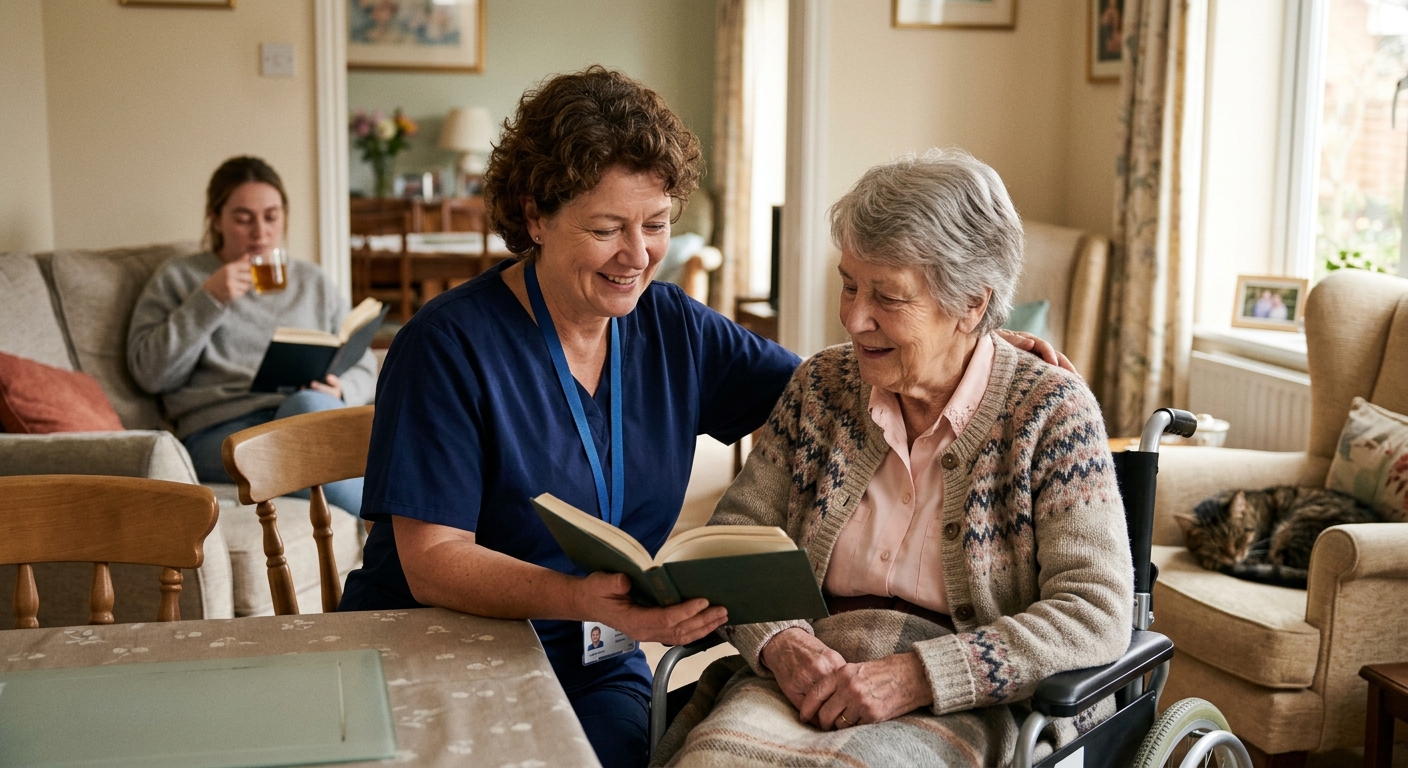
Leaving the hospital marks a welcome milestone in any recovery journey, but the transition back to everyday life can be surprisingly demanding. For older adults and individuals recovering from major surgery, illness, or a stroke, stepping through their own front door brings a distinct set of physical and emotional hurdles.Without a structured plan, the risk of medication errors, accidental falls, or preventable hospital readmission rises significantly. Preparing the home environment, coordinating professional support, and understanding what to monitor during the initial weeks can transform a stressful discharge into a steady, restorative recovery.1. Demystifying the Discharge PlanA successful transition begins well before the journey home. In UK hospitals, the ward team—including doctors, nurses, physiotherapists, and discharge coordinators—must establish that a patient is medically stable and that safe arrangements exist for their ongoing care.Before leaving the ward, ensure you receive and discuss a written discharge summary. Key elements to confirm include:Medication reconciliation: A clear schedule showing new prescriptions, discontinued drugs, dosage adjustments, and who will supply repeat medications.Follow-up appointments: Dates for suture removal, outpatient reviews, blood tests, or ongoing physiotherapy.Mobility guidelines: Safe weight-bearing limits, guidance on stairs, and recommended daily movement targets.Emergency escalation: Direct contact details for the ward, community nursing team, or specialist nurse if unexpected symptoms arise within the first 72 hours.Never hesitate to ask clarifying questions before discharge papers are signed. Understanding exactly what an individual can and cannot do independently is vital for safety.2. Preparing the Home for Rest and MobilityA living space that felt comfortable before an admission may present unexpected hazards afterward. Reduced strength, altered balance, and fatigue mean that simple household layouts require temporary or permanent adjustments.Immediate Safety MeasuresClear pathways: Move loose rugs, tuck away extension cables, and rearrange low-standing furniture to create broad, unhindered walkways for walking frames or walking sticks.Targeted lighting: Ensure hallways, stairwells, and the route between the bed and bathroom are brightly illuminated. Plug-in motion-sensor nightlights prevent disorientation in the dark.Bathroom essentials: The bathroom is the highest-risk area for post-discharge slips. Installing temporary grab rails, a raised toilet seat, and a sturdy shower bench drastically reduces physical strain.Single-level living: If climbing stairs is temporarily unsafe, arrange a ground-floor sleeping area with easy access to water, washing facilities, and a telephone.Occupational therapists often assess equipment needs prior to discharge, arranging items such as perching stools or bed rails through community equipment services.3. Structuring Nutritional and Medication RoutinesThe body requires substantial energy to rebuild tissue, fight infection, and regain muscle mass lost during bed rest. Yet, appetite often drops following illness or prolonged medication use.Prioritize nutrient-dense, easily digestible meals. Preparing and freezing individual portions ahead of discharge ensures wholesome food is available without the burden of cooking. Keeping a carafe of fresh water beside the bed or favourite chair encourages regular hydration, which supports kidney health and helps avoid dizziness linked to low blood pressure.Medication adherence demands equal attention. Setting up a monitored dosage system (such as a dosette box or blister pack prepared by a local pharmacy) removes confusion over duplicate pills or missed doses. Keep an updated, legible medication list pinned to the refrigerator where visiting family members and healthcare workers can reference it instantly.4. When to Arrange Transitional and Reablement SupportRecovery rarely follows a straight line. While some individuals regain their independence quickly, others need structured, temporary assistance to rebuild physical confidence and manage day-to-day self-care.Short-term intermediate support focuses on helping an individual relearn daily routines rather than doing everything for them. Depending on personal needs and local availability, families often coordinate professional domiciliary help for morning routines, bathing, preparing meals, and ensuring medication is taken safely.For families balancing work commitments or managing complex recovery needs, engaging dedicated after-hospital care provides structured assistance tailored to individual rehabilitation goals, bridging the vulnerable gap between formal ward care and independent domestic life.When exploring community-based homecare options, families should verify that providers are registered with the Care Quality Commission (CQC) in England, which inspects services for safety and responsiveness. Reputable independent providers, such as True Homecare in Cheshire or regional branches of national organizations like Home Instead, tailor their visits to the individual’s changing recovery pace, coordinating closely with community physiotherapists and district nurses to maintain care continuity.5. Recognizing Red Flags During the First FortnightEven with thorough preparation, complications can surface during the initial weeks at home. Family members and caregivers should monitor for subtle shifts in physical or cognitive condition, including:SymptomPotential Underlying CauseRecommended ActionSudden breathlessness or chest tightnessRespiratory infection, pulmonary issueSeek immediate emergency medical assessment (999).Calf pain, swelling, or rednessDeep vein thrombosis (DVT) related to reduced mobilityContact the GP or 111 promptly for urgent evaluation.New or worsening confusion (Delirium)Urinary tract infection (UTI), dehydration, medication reactionContact the GP; sudden cognitive changes require diagnostic checks.Redness, warmth, or discharge around a woundSurgical site infectionNotify the district nurse or GP practice nurse for assessment.Inability to pass urine or severe constipationSide effects of analgesics or immobilityConsult the community pharmacist or GP for review.6. Supporting the Family CaregiverCaring for someone recovering from an acute hospital stay can be physically tiring and emotionally draining. Family caregivers frequently neglect their own health, leading to burnout.Establish a rotating schedule among relatives and friends for practical errands, such as grocery shopping, collecting prescriptions, or walking pets. Clear communication prevents single-person fatigue and ensures the primary caregiver receives dedicated periods of rest. A steady, calm environment is just as essential for the supporter as it is for the person on the path to recovery.Frequently Asked QuestionsHow long does intermediate reablement care typically last?Reablement support arranged via local authority and NHS partnerships typically lasts up to six weeks. Its goal is restorative: to help people regain the skills and confidence needed to live as independently as possible. If care needs continue beyond this window, a formal social care assessment determines ongoing arrangements.What is the difference between a discharge lounge and leaving hospital?A discharge lounge is a dedicated, staffed area within the hospital where patients who are clinically ready to leave can wait comfortably while final paperwork, medications to take home (TTOs), and transport are finalized. It frees up inpatient beds while ensuring patients remain supervised.Can an individual refuse discharge if they feel unready?A patient cannot be forced to leave if discharge arrangements are demonstrably unsafe. If a patient or their family believes the home environment is inadequate or that essential support is missing, they should immediately discuss their concerns with the named nurse or hospital discharge coordinator to request a multidisciplinary case review.