Oct 14, 2026
•
visibility 12
•
11 min read
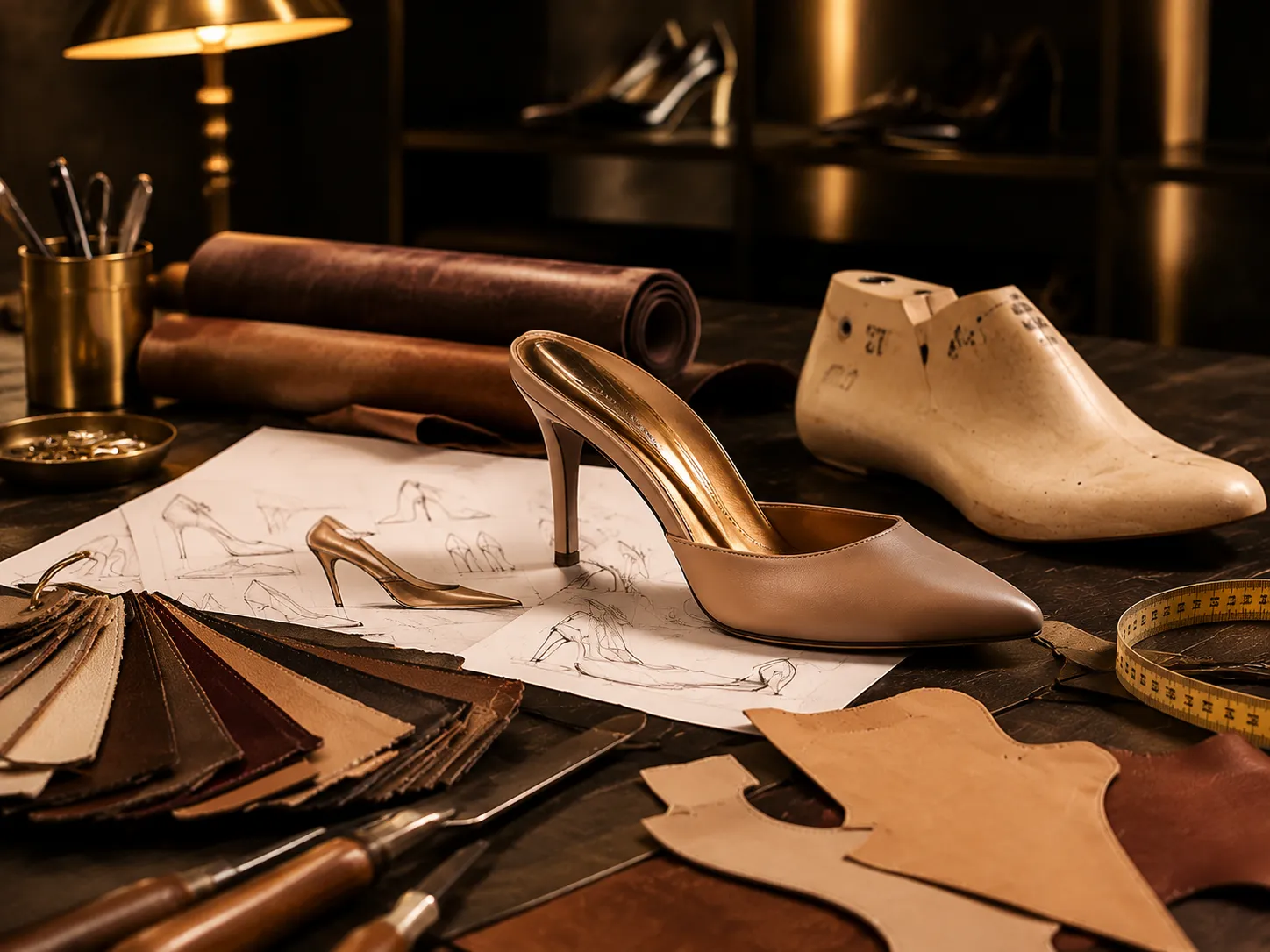
If you have ever searched for a straight answer to this question, you already know the frustration. Most articles dance around the topic without giving real numbers. The truth is simple: there is no single price tag for manufacturing women's shoes. However, there are clear cost ranges, predictable components, and proven ways to control your budget.This guide breaks down the real costs of women's footwear manufacturing in plain language. Whether you are launching a startup brand or expanding an existing line, understanding these numbers will help you negotiate confidently and avoid costly mistakes.The Honest Answer: Real Cost RangesFor a basic women's sandal or simple flat, manufacturing costs typically range from $8 to $15 per pair at moderate volumes. Women's sneakers and casual shoes generally fall between $12 and $25 per pair. Leather boots and premium dress shoes can cost $25 to $60 or more per pair, depending on material quality and construction complexity.These figures represent ex-factory costs before shipping, duties, and your own branding expenses. They assume order quantities of several hundred to several thousand pairs. Smaller orders cost more per unit because fixed costs spread across fewer shoes.What Actually Drives the CostEvery factory quote is built from a Bill of Materials, commonly called a BOM. This document itemizes every single component and process that goes into one pair of shoes. Understanding these components gives you real negotiating power.Upper Materials represent the largest cost category, typically 25 to 45 percent of total production cost. Leather, synthetic materials, and textiles vary dramatically in price. Full-grain leather costs significantly more than corrected grain or PU synthetic. Material yield also matters because patterns that waste material increase your effective cost per pair.Direct Labor accounts for 15 to 25 percent of costs. This includes cutting, stitching, lasting, assembly, and finishing. Complex designs with decorative stitching or multiple panels require more labor hours. Labor rates vary enormously by country, from under one dollar per hour in some regions to over fourteen dollars in others.The Outsole contributes 8 to 18 percent of total cost. Rubber, PU, TPU, and EVA each have different price points and performance characteristics. Mold complexity and material density affect pricing significantly. A simple flat sole costs far less than a molded athletic midsole with air units.Lining and Insole add 5 to 12 percent. Quality internal components reduce customer returns and complaints. Breathable linings, cushioned insoles, and antimicrobial treatments all add cost but improve the customer experience.Factory Overhead covers utilities, equipment, and indirect labor at 5 to 10 percent. Location and automation level determine this figure. Highly automated factories charge more but deliver better consistency.Packaging costs 2 to 5 percent and includes shoe boxes, tissue paper, stuffing, and hangtags. Custom branded packaging adds to this significantly.Development and Sampling typically represent 1 to 4 percent when amortized across your order. Mold costs and multiple sampling rounds can be substantial for new designs. Established designs spread these costs more efficiently.Quality Control adds 1 to 3 percent through inspection fees and lab testing. This investment protects your brand reputation.Factory Margin ranges from 8 to 15 percent. Volume commitments, payment terms, and long-term relationships all influence this percentage.How Location Changes EverythingWhere your shoes are manufactured ranks among the biggest cost factors. The same sneaker design can cost fifteen dollars to produce in one country and forty-five dollars in another.Countries like Vietnam and Indonesia offer labor rates around one dollar fifty to three dollars per hour. Chinese workers typically earn three to four dollars hourly. European labor exceeds fourteen dollars per hour. These differences compound across thousands of pairs.Pakistan has become an increasingly competitive manufacturing destination. Recent joint ventures, including a six and a half million dollar project between Service Global Footwear and China's Golden Star, demonstrate growing international confidence in the region. For brands seeking quality and cost balance, Pakistan offers a strategic alternative to traditional sourcing hubs.Why Custom Quotes Beat Generic EstimatesIf a manufacturer quotes a price without asking detailed questions, that number is a guess. As industry experts repeatedly note, an inquiry asking simply how much shoes cost forces suppliers to imagine your materials, construction, quantity, branding, and packaging requirements.To receive an accurate quotation, prepare the following information before contacting manufacturers. Provide a sketch, tech pack, photograph, or reference sample. Specify your materials clearly. State your total quantity broken down by design and color. Detail your branding needs including labels, logos, and packaging. Confirm your size range. Finally, share your destination market because this affects logistics and duties.The more precise your brief, the more accurate your quote and the fewer surprises during production.Partnering with Lajwanti CollectionsBased in Lahore, Pakistan, Lajwanti Collections has operated as a direct B2B manufacturer since 2003, specializing in women's footwear, apparel, and sportswear for brands worldwide.What distinguishes them for footwear brands:Low Minimum Orders: Just twelve pairs per design, per color for women's footwear. This makes professional manufacturing accessible for startups validating concepts or established brands testing new styles without massive inventory commitments.Flexible Development Routes: Whether you possess a complete tech pack, a reference sample, or simply a mood board, Lajwanti Collections works through Private Label, OEM, or ODM-style manufacturing. You can start from an existing design and customize materials, colors, branding, and packaging.Sample Approval Process: A physical prototype is developed and reviewed before bulk production begins. Initial samples typically take ten to fourteen days after specifications are confirmed. Bulk production follows in four to six weeks after sample approval.Transparent Communication: An NDA is available on request before confidential designs are shared. Buyer designs, logos, and files remain confidential. Project images are never published without permission.Worldwide Shipping: Tracked shipping reaches global markets with insurance available on request. Export documentation and customs responsibilities are confirmed for each order.Your Next StepUnderstanding manufacturing costs transforms you from a passive buyer into an informed partner. You now know that materials drive the largest cost, location dramatically affects pricing, and precise briefs generate accurate quotes.Stop guessing at numbers. Send your specific requirements to Lajwanti Collections and receive a project-specific quotation based on your actual design, quantity, and materials.Contact Lajwanti Collections:Website: https://www.lajwanticollections.com/Email: [email protected]: +92 333 941 1234Your footwear brand deserves a manufacturing partner who provides real answers and real numbers. Start the conversation today.


 Entertainment & Pop Culture