Oct 15, 2026
•
visibility 9
•
24 min read
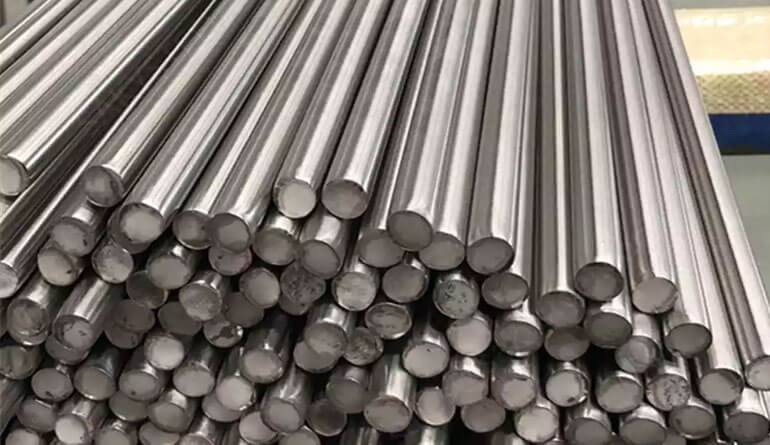
Stainless Steel 316 Round Bars are widely used in industries where corrosion resistance, strength, and reliable performance are important. These solid cylindrical bars are made from an austenitic stainless steel grade containing chromium, nickel, and molybdenum. The addition of molybdenum improves resistance to pitting and crevice corrosion, particularly in environments containing chlorides.Industries such as chemical processing, marine engineering, pharmaceuticals, food processing, oil and gas, and general manufacturing use SS 316 round bars for machining, fabrication, shafts, fasteners, and equipment components.For industrial buyers, choosing the right round bar involves more than selecting a stainless steel grade. Diameter, length, manufacturing condition, applicable standards, material certification, and the intended working environment must also be considered.Hindco Steel and Alloys serves industrial buyers looking for stainless steel products for a range of engineering and manufacturing requirements. This guide explains the properties, specifications, applications, and selection factors associated with Stainless Steel 316 Round Bars.What Are Stainless Steel 316 Round Bars?Stainless Steel 316 Round Bars are solid metal rods with a circular cross-section, manufactured from Type 316 stainless steel. They are used as raw material for machining, component manufacturing, fabrication, and industrial assemblies.Grade 316 belongs to the austenitic stainless steel family. Its composition includes chromium and nickel, along with approximately 2–3% molybdenum within the applicable specification limits.Chromium helps form a protective passive layer on the steel surface. Nickel supports the austenitic structure and contributes to toughness and ductility. Molybdenum improves resistance to localized corrosion, making Grade 316 a useful choice for many chemical and marine applications.Stainless Steel 316 Round Bars are available in different diameters, lengths, and surface conditions. The appropriate product depends on whether the bar will be machined into a precision component, used in a fabricated assembly, or processed for another industrial purpose.Key Properties of SS 316 Round BarsThe following properties explain why this grade is used across several industrial sectors.1. Corrosion ResistanceOne of the main advantages of SS 316 round bars is their resistance to corrosion in many industrial environments. The molybdenum content improves resistance to pitting and crevice corrosion compared with Grade 304 stainless steel under many chloride-exposure conditions.This makes Grade 316 suitable for selected marine components, chemical processing equipment, and industrial installations exposed to moisture or corrosive substances.However, Grade 316 is not immune to corrosion. Performance depends on chloride concentration, temperature, exposure time, surface condition, and the presence of crevices or deposits.2. Strength and ToughnessStainless Steel 316 combines useful mechanical strength with good toughness. It can be machined and fabricated into a range of components when the correct tools and processes are used.Its mechanical properties vary according to the product standard, diameter, heat treatment, and supplied condition. Buyers should review the applicable specification and material test certificate rather than rely on a single general value.3. Heat ResistanceGrade 316 provides useful oxidation resistance and mechanical performance at elevated temperatures within suitable operating limits. Its suitability depends on the actual temperature, loading, environment, and exposure duration.For equipment exposed to continuous high temperatures or severe thermal cycling, engineers should verify the grade against the service conditions before selection.4. WeldabilitySS 316 generally offers good weldability using suitable procedures. Welding parameters, filler material, joint design, and post-weld cleaning can influence the final performance of a component.For welded assemblies where resistance to sensitization and intergranular corrosion is a concern, Stainless Steel 316L may be worth considering because of its lower carbon content.5. Machining and FabricationRound bars are commonly used to manufacture shafts, pins, fasteners, valve parts, and machined fittings. Grade 316 can be machined using appropriate cutting tools, speeds, feeds, and cooling methods.Because austenitic stainless steels can work-harden during machining, proper process planning is important for dimensional accuracy and tool life.Stainless Steel 316 Round Bar SpecificationsIndustrial buyers should confirm the applicable product standard and dimensions before placing an order. ASTM A276 is a commonly used specification for stainless steel bars and shapes, while ASTM A479 covers stainless steel bars and shapes intended for use in boilers and other pressure vessels.The correct standard depends on the intended application and project requirements.Specification detailTypical informationMaterial gradeStainless Steel 316UNS designationS31600European material number1.4401Common Japanese designationSUS 316Product formSolid round barCommon bar standardASTM A276, where applicableOther applicable standardASTM A479, for qualifying pressure-vessel applicationsMain alloying elementsChromium, nickel, molybdenumAvailable dimensionsConfirm required diameter and lengthSurface conditionsDepending on supply, hot-finished, cold-drawn, peeled, turned, or polishedInspection documentsMaterial test certificate and other documents as specified in the purchase orderImportant: Standards, dimensions, finishes, and certifications must be confirmed for the exact material being supplied. Not every size or finish is available under every specification.Chemical Composition of Stainless Steel 316The chemical composition of Stainless Steel 316 contributes to its corrosion resistance, strength, and fabrication characteristics.The following table provides commonly specified composition limits for Grade 316. Final acceptance should be based on the applicable material standard and the actual test certificate.ElementTypical specification limit, weight %Carbon (C)0.08 maxManganese (Mn)2.00 maxSilicon (Si)0.75 max in common bar specificationsPhosphorus (P)0.045 maxSulfur (S)0.030 maxChromium (Cr)16.00–18.00Nickel (Ni)10.00–14.00Molybdenum (Mo)2.00–3.00The exact limits may differ by standard or product specification. Buyers should not use a general composition table as a substitute for material certification.Mechanical Properties of SS 316 Round BarsMechanical properties help engineers assess whether a round bar is suitable for the intended component. Under commonly referenced ASTM A276 requirements for Grade 316 in the specified annealed condition, typical minimum values include:PropertyCommonly referenced valueMinimum tensile strength515 MPaMinimum yield strength at 0.2% offset205 MPaMinimum elongationDepends on specimen and product requirementsDensityApproximately 8.0 g/cm³These values are reference figures, not a guarantee for every bar. Product dimensions, test specimen requirements, material condition, and the applicable edition of the standard can affect the acceptance criteria. Always check the relevant specification and mill test certificate.Industrial Applications of Stainless Steel 316 Round BarsSS 316 round bars are used in applications that need a combination of corrosion resistance, mechanical performance, and fabrication flexibility.1. Chemical Processing IndustryChemical plants use stainless steel components in equipment exposed to process liquids, cleaning solutions, and industrial chemicals. SS 316 round bars may be machined into valve parts, pump components, fittings, shafts, and equipment hardware.Before choosing the grade, buyers should confirm its compatibility with the specific chemical, concentration, temperature, and operating conditions. Some chemicals require more corrosion-resistant alloys.2. Marine and Offshore EngineeringMarine environments expose materials to moisture and chlorides. The molybdenum content in Grade 316 can provide better resistance to localized corrosion than Grade 304 in many such conditions.Potential applications include selected marine hardware, machined fittings, fasteners, and equipment components. However, continuous seawater immersion and severe crevice conditions can still cause corrosion. The service environment must be assessed carefully.3. Food and Beverage ProcessingFood processing equipment requires materials that can withstand regular cleaning and maintain suitable surface conditions. SS 316 round bars may be used to manufacture machine parts, shafts, fittings, and other components for food-processing systems.The finished component must also meet the applicable hygiene, surface-finish, and cleaning requirements. Material grade alone does not establish that an entire component or installation is suitable for food contact.4. Pharmaceutical and Biotechnology EquipmentPharmaceutical facilities often require corrosion-resistant materials and carefully controlled surface finishes. Grade 316 and Grade 316L are used in various equipment and components, depending on design and process requirements.For applications involving hygienic processing, buyers should verify surface finish, cleanability, welding requirements, and the applicable equipment standards.5. Oil and Gas IndustryThe oil and gas sector uses stainless steel components in selected valves, fittings, instrumentation assemblies, and processing equipment. SS 316 round bars can serve as raw material for machined parts where their mechanical and corrosion properties are suitable.Not every oilfield environment is suitable for Grade 316. Sour service, high chloride levels, elevated temperatures, and demanding pressure conditions may require additional material qualification or a different alloy.6. General Engineering and ManufacturingEngineering companies use round bars to manufacture pins, shafts, bushes, fasteners, machine components, and precision parts. The circular shape makes the material suitable for turning, drilling, milling, and other machining operations.The required diameter, straightness, finish, tolerance, and material condition should be selected according to the final component design.7. Water Treatment and Industrial EquipmentWater treatment plants and industrial facilities use corrosion-resistant metals in selected pumps, fittings, valves, and equipment assemblies. Grade 316 may be suitable for some freshwater and treated-water applications.For seawater, concentrated brines, or high-chloride process water, buyers should evaluate the risk of pitting and crevice corrosion before finalizing the grade.Stainless Steel 316 vs Stainless Steel 304 Round BarsBoth grades are austenitic stainless steels, but their alloy composition and corrosion performance differ.Comparison factorSS 304SS 316Molybdenum contentGenerally not intentionally addedApproximately 2–3%Corrosion resistanceSuitable for many general environmentsImproved resistance to pitting and crevice corrosion in many chloride-containing environmentsCommon applicationsGeneral fabrication, equipment, fittingsChemical processing, selected marine applications, food and pharmaceutical equipmentRelative material costOften lowerOften higher because of alloy contentSelection priorityGeneral corrosion resistance and costAdditional corrosion resistance where service conditions justify itSS 316 is not automatically the best choice for every application. Grade 304 may be sufficient for many general-purpose uses. Grade 316 becomes more attractive when the service environment makes its additional corrosion resistance useful.The final decision should consider operating conditions, expected service life, fabrication requirements, and total project cost.Stainless Steel 316 vs Stainless Steel 316L Round BarsStainless Steel 316L is the low-carbon version of Grade 316. Both grades contain chromium, nickel, and molybdenum, but 316L has a lower maximum carbon content.FactorSS 316SS 316LUNS designationS31600S31603Maximum carbon content0.08%0.03%Main distinctionStandard carbon Grade 316Lower-carbon Grade 316LWelding considerationsSuitable with appropriate proceduresLower carbon helps reduce sensitization risk during weldingTypical selection factorGeneral engineering and machining requirementsApplications where welding-related corrosion considerations are importantThe two grades have similar corrosion characteristics in many environments, but they are not interchangeable in every specification. Confirm the grade and material standard required by the design or purchase order.How to Select the Right Stainless Steel 316 Round BarBefore buying SS 316 round bars, review the following points.1. Confirm the grade. Specify Grade 316 or 316L according to the application. Do not rely only on a general description such as stainless steel.2. Check the applicable standard. Confirm whether ASTM A276, ASTM A479, or another specification is required by the project.3. Specify the diameter and length. Provide the required diameter, standard or cut length, and dimensional tolerances. This helps avoid unnecessary machining and material waste.4. Select the surface finish. Hot-finished bars may suit general machining requirements, while cold-drawn or polished products may be preferred for certain precision applications. Confirm actual finish availability with the supplier.5. Review the service environment. Consider exposure to chlorides, chemicals, moisture, temperature, and cleaning agents. Grade 316 is corrosion-resistant, but it is not suitable for every aggressive environment.6. Ask for material documentation. Where required, request a material test certificate showing the grade, heat number, chemical composition, and mechanical test results.7. Confirm inspection and delivery requirements. Clarify quantity, cutting requirements, packaging, inspection, documentation, and delivery location before confirming the order.A clear specification helps the buyer compare quotations on a like-for-like basis and reduces the risk of receiving material that does not meet the project requirements.Why Choose Hindco Steel and Alloys for Stainless Steel 316 Round Bars?Industrial buyers need a supplier that understands the importance of grade identification, dimensions, applicable standards, and material documentation. Hindco Steel and Alloys supplies stainless steel products for industrial and engineering requirements.When enquiring about Stainless Steel 316 Round Bars, share the following information to help the team assess your requirement:Required grade: SS 316 or SS 316LApplicable ASTM, ASME, EN, or other project standardDiameter and lengthRequired surface finishQuantity and cutting requirementsMaterial test certificate or inspection requirementsDelivery location and expected scheduleFor product details and enquiries, visit the Stainless Steel 316 Round Bars page on the Hindco Steel and Alloys website.Contact the team with your technical specification to discuss the material requirements for your project.Frequently Asked Questions About Stainless Steel 316 Round Bars1. What is Stainless Steel 316 Round Bar?It is a solid cylindrical bar made from Grade 316 austenitic stainless steel. It contains chromium, nickel, and molybdenum and is used for machining, fabrication, and industrial components.2. What is the UNS number for SS 316?The UNS designation for Stainless Steel 316 is S31600. Grade 316L is designated S31603.3. Which standard is used for SS 316 round bars?ASTM A276 is a commonly referenced specification for stainless steel bars and shapes. ASTM A479 may apply to bars and shapes for boilers and pressure vessels. The required standard depends on the intended use and project specification.4. Is SS 316 better than SS 304?SS 316 offers improved resistance to pitting and crevice corrosion in many chloride-containing environments because it contains molybdenum. SS 304 can be suitable for less demanding environments and may be more economical. The best choice depends on the application.5. Are Stainless Steel 316 Round Bars suitable for marine use?They can be suitable for selected marine components, but performance depends on exposure conditions. Continuous seawater immersion, deposits, and tight crevices can create corrosion risks. Confirm the grade's suitability for the exact environment.6. Can SS 316 round bars be machined and welded?Yes. Grade 316 can be machined and welded using appropriate processes. Machining parameters and welding procedures should be selected according to the component design and required finish. Grade 316L may be preferred for certain welded applications.7. What information should I provide when requesting a quotation?Provide the material grade, standard, diameter, length, quantity, surface finish, certification requirements, and delivery location. Include a drawing or technical specification if the component has special requirements.8. How do I verify the quality of Stainless Steel 316 Round Bars?Check material identification, dimensions, surface condition, and the material test certificate where required. The certificate should correspond to the supplied material and identify the relevant heat or batch. Additional inspections can be specified according to project requirements.ConclusionStainless Steel 316 Round Bars are an important material choice for engineering, chemical processing, marine equipment, food processing, and general manufacturing applications. Their chromium-nickel-molybdenum composition provides useful corrosion resistance, while their strength and machinability support the production of a wide range of industrial components.Choosing the right bar requires careful attention to grade, dimensions, applicable standards, surface finish, documentation, and operating conditions. A well-defined purchase specification helps buyers obtain material that matches their technical requirements.For Stainless Steel 316 Round Bars, contact Hindco Steel and Alloys with your required dimensions, quantity, and material specification to discuss your enquiry.


 Career & Business