



zteastsilicone zteastsilicone's Store
easyid.live/biz/zteastsilicone • Verified Store
Scan to open official EasyID digital store and view live catalog.
Share zteastsilicone zteastsilicone's Store
Share this store link with your friends and customers
zteastsilicone zteastsilicone's Store
Open Now • Open 24/7Verified Merchant
EasyID Certified Seller
Fast 24h Packing
Direct courier dispatch
Zero Escrow Direct
Direct merchant settlement
Store Listings (2)
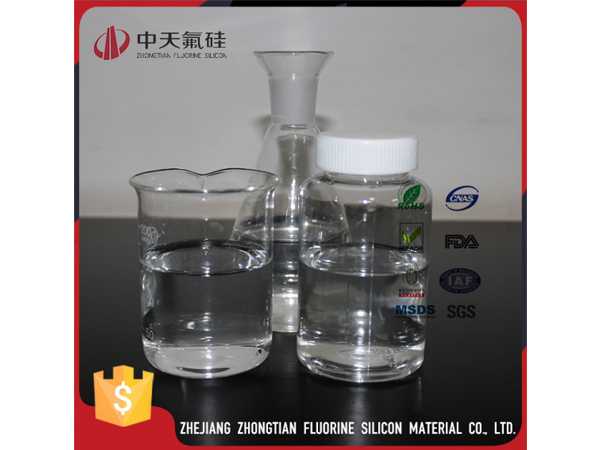
Methyltrichlorosilane (M1)
#buy #fumed #silica <br> <br>Name: Methyltrichlorosilane (M1) <br> <br>Feature: This product is a colorless transparent liquid. It is the main material of silicone products to produce methyltriethoxysilane and silane crosslinking agent (methyl triethoxysilane and methyltrimethoxysilane), and produce silicon resin, special coatings, building waterproofing agent, and oilfield drilling collapse resistance agent for methyl sodium silicate used in drilling wells on the oil field. <br> <br>CAS No.: 75-79-6 <br> <br>Application of Methyltrichlorosilane <br>It is mainly used for the production of methyl triethoxysilane, methyl trimethoxysilane, and other crosslinking agents, silicone resin, special coatings, construction waterproofing agent, and oilfield drilling anti-collapse agent (sodium methyl silicate), as well as gas-phase silica and other products. <br> <br>Silicone materials, including methyl trichlorosilane, are not only as special materials used in military, aviation, aerospace, and other cutting-edge industries, but also widely used in construction, textile, automobile, machinery, electronic and electrical appliances, chemical and light industry, leather and papermaking, medicine and health, etc. To a certain extent, it reflects the development of a country. <br> <br>Product Appearance of Methyltrichlorosilane <br>-colorless <br> <br>-transparent liquid <br> <br>-no mechanical impurity (Mechanical impurity refers to the precipitation of suspended matter in petroleum or petroleum products that is insoluble in oil and specified solvents, such as mud sand, dust, iron filings, fibers, and certain insoluble salts.) <br> <br>-have a pungent odor <br> <br>-easy deliquescence <br> <br>Production Methods of MethylChlorosilane <br>There are two production methods of methyl chlorosilane-indirect method and direct method. It was invented by E.G. Rojo in 1940 and is produced by using copper or copper salt as the catalyst to make a direct reaction between methyl chloride and silicon powder at about 300℃. This is a complex non-homogeneous reaction. The resulting mixture mainly contains dimethyldichlorosilane (about 70%), followed by methyl trichlorosilane, trimethylchlorosilane, methyl dichlorosilane, etc. The product can be obtained by distillation. The product is obtained in pure form by distillation. Due to the exothermic nature of the reaction, temperature control is extremely important, and most fluidized bed reactors are now used. <br> <br>Storage and Transportation of Methyltrichlorosilane <br>Storage: Stored in a shady, cool, and ventilated place. It should be kept away from kindling and heat sources, avoid direct sunlight. <br>Transportation: When transported, avoid rain and direct sunshine. <br> <br>Description of Silane Crosslinking <br>Silane crosslinking is introduced into polyethylene by a silane coupling agent to increase the strength and aging resistance of polyethylene. <br> <br>Since its introduction in the late 1960s, silane-based cross-linked polyethylene technology has grown considerably and gained wide application. <br> <br>There is three main industrial silane crosslinking polyethylene processes: the two-step production process (also known as SioplasE), the one-step production process (also known as MonosilR), and the vinyl silane copolymer process, of which the vinyl silane copolymer process combines many of the advantages of the two-step and one-step processes and has greater advantages, but the cross-linking reactions in all three processes are accomplished by immersing silane-modified polyethylene mixed with a silanol condensation catalyst in warm water or water vapor. However, the cross-linking reaction in all three processes is accomplished by immersing silane-modified polyethylene mixed with a silane alcohol condensation catalyst in warm water or water vapor, and the water required for cross-linking is diffused from outside. Due to the non-hydrophilic nature of polyethylene, the diffusion of water in polyethylene is very slow, resulting in very slow cross-linking, and the thicker the wall of the product, the longer the cross-linking time. <br> <br>Development and Application of Silane Crosslinking <br>The mechanical properties, heat resistance, chemical resistance, and stress-cracking resistance of polyethylene are largely improved by silane crosslinking, which broadens the range of applications. Silane crosslinking polyethylene is mainly used for the insulation of medium and low-voltage wires and cables, and pipes are also one of its main applications, which can be used as hot and cold water pipes, drinking water pipes, pipes for transporting corrosive gases and liquids in the chemical industry. China encourages and advocates the use of chemical building materials, and the development of cross-linked polyethylene pipes has good market prospects and can create good economic benefits. <br> <br>Silane Crosslinking Process <br>There are two main methods of silane crosslinking in practice, one is a two-step method invented by Dow Corning (UK), called the Sioplas method, and the other is a one-step method invented by BICC (British Insulated Cable Company) and Maillefer, called the Monosil method. In recent years, the silane copolymer method has emerged as a result of the attention given to polyethylene products by petrochemical resin manufacturers. The silane crosslinking process of both methods is as follows. <br> <br>①Sioplas process <br>② Process of Monosil method <br> <br>The silane copolymer method is actually a variant of the Sioplas method. The difference is that the polyethylene graft is not prepared by reaction extrusion, but by adding a second component (silane) to the copolymerization of ethylene during the polymerization of ethylene to obtain copolymerized ethylene? Silane copolymer (A material), cross-linking catalyst and other auxiliary additives and then by mixing equipment to make catalytic masterbatch (B material), and then according to A, B two-component products factory. <br> <br>The Sioplas method is a two-step process in which two extruders are used to produce the PE silane graft and the catalytic masterbatch in advance, and then the two materials are mixed in a certain ratio to produce the cross-linked PE pipe on a third extruder. The peroxide used for silane crosslinking is used as an initiator, and the dosage is equivalent to about 1/?20 (0.1%) of the dosage in the peroxide cross-linking method. The silane graft is generally dry-mixed with a 5% catalytic masterbatch and extruded into molded products; the products are then cross-linked in a high-temperature water bath (60-95°C). The storage period of the silane graft in this method is short because the cross-linking reaction can proceed slowly even in the absence of the catalyst. <br> <br>The Monosil method is a one-step process, which is characterized by the direct addition of silane, peroxide, and catalyst to the same extruder. The crosslinking degree of the products produced by the one-step process can be improved compared to the two-step process. <br>There are many silicone suppliers, but we are one of the best choices for you. <br> <br>[a]https%3A%2F%2Fwww.zteastsilicone.com%2Fproducts%2Fmethyltrichlorosilane-m1.html[/a]
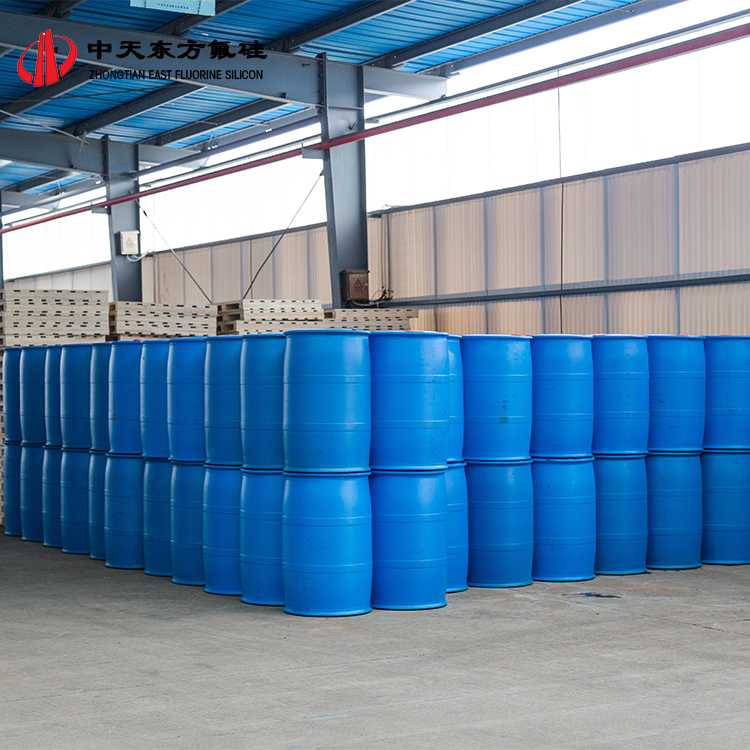
Hexamethylcyclotrisiloxane (D3)
#fumed #silica #manufacturers <br>Product Name: Hexamethylcyclotrisiloxane <br>Molecular Formula: [(CH3 ) 2 SiO]3 <br>Molecular Weight: 222.47 <br>CAS No.: 541-05-9 <br>UN No.: 1325 <br>Physical and Chemical Properties: <br>Melting Point: 64℃ Boiling Point:134℃ <br>Relative Density (water=1): 1.12 <br>Appearance: White crystalline lens. <br> <br>Hexamethylcyclotrisiloxane Uses and Properties <br>White crystalline lens,the odor likes grass. Caution! May cause eye and skin irritation. May cause respiratory and digestive tract irritation. May cause central nervous system depression. Moisture sensitive. It is used for the production of general silicone polymers and specific organic silicon compounds, such as surface treatment agent, coupling agent, crosslinking agent, and so on. <br> <br>Please be very careful when dealing with hexamethylcyclotrisiloxane, dimethylcyclosiloxane as well as other chemicals. <br> <br>Package, Storage and Handling of Hexamethylcyclotrisiloxane <br>Steel drum, net weight190kg/drum. The package should seal up completely, keep in a cold, dry, and ventilating place. Be careful when loading and unloading to avoid damages to the package. During transporting, protect against damp, water, acid, and alkali. <br> <br>Chemical Stability: Stable in closed containers under specified storage and handling conditions. <br> <br>Conditions to Avoid: Incompatible materials, any sources of ignition or heat, exposure to moist air or water. <br> <br>Incompatibilities with Other Materials: Strong oxidizing agents. <br> <br>Hazardous Decomposition Products: In the case of a fire, oxides of carbon, hydrocarbons, silicon oxide, fumes, and smoke may be generated by thermal decomposition or combustion. <br> <br>Hazardous Polymerization: Will not occur. <br> <br>Operation process of Hexamethylcyclotrisiloxane <br>1. Blending ratio: hexamethylcyclotrisiloxane: compounding rubber = 1:1 (mass ratio) and mix evenly to get the shrinkage agent. <br> <br>2. Vulcanization: add the mixed water shrinker into the silicone rubber and mix it evenly according to the required amount, and after a period of vulcanization, then vulcanize for 2 times by 180 degrees Celsius for one hour. <br> <br>There are many silicone suppliers, but we are one of the best choices for you. <br> <br>[a]https%3A%2F%2Fwww.zteastsilicone.com%2Fproducts%2Fhexamethylcyclotrisiloxane-d3.html[/a]
About zteastsilicone zteastsilicone's Store
No description provided.
0.0
Customer Reviews
See what others are saying about zteastsilicone zteastsilicone's Store. We verify purchases to ensure reviews are genuine.
No reviews yet for this store.