



yxtechco .com's Store
easyid.live/biz/yxtechco • Verified Store
Scan to open official EasyID digital store and view live catalog.
Share yxtechco .com's Store
Share this store link with your friends and customers
yxtechco .com's Store
Open Now • Open 24/7Verified Merchant
EasyID Certified Seller
Fast 24h Packing
Direct courier dispatch
Zero Escrow Direct
Direct merchant settlement
Store Listings (2)
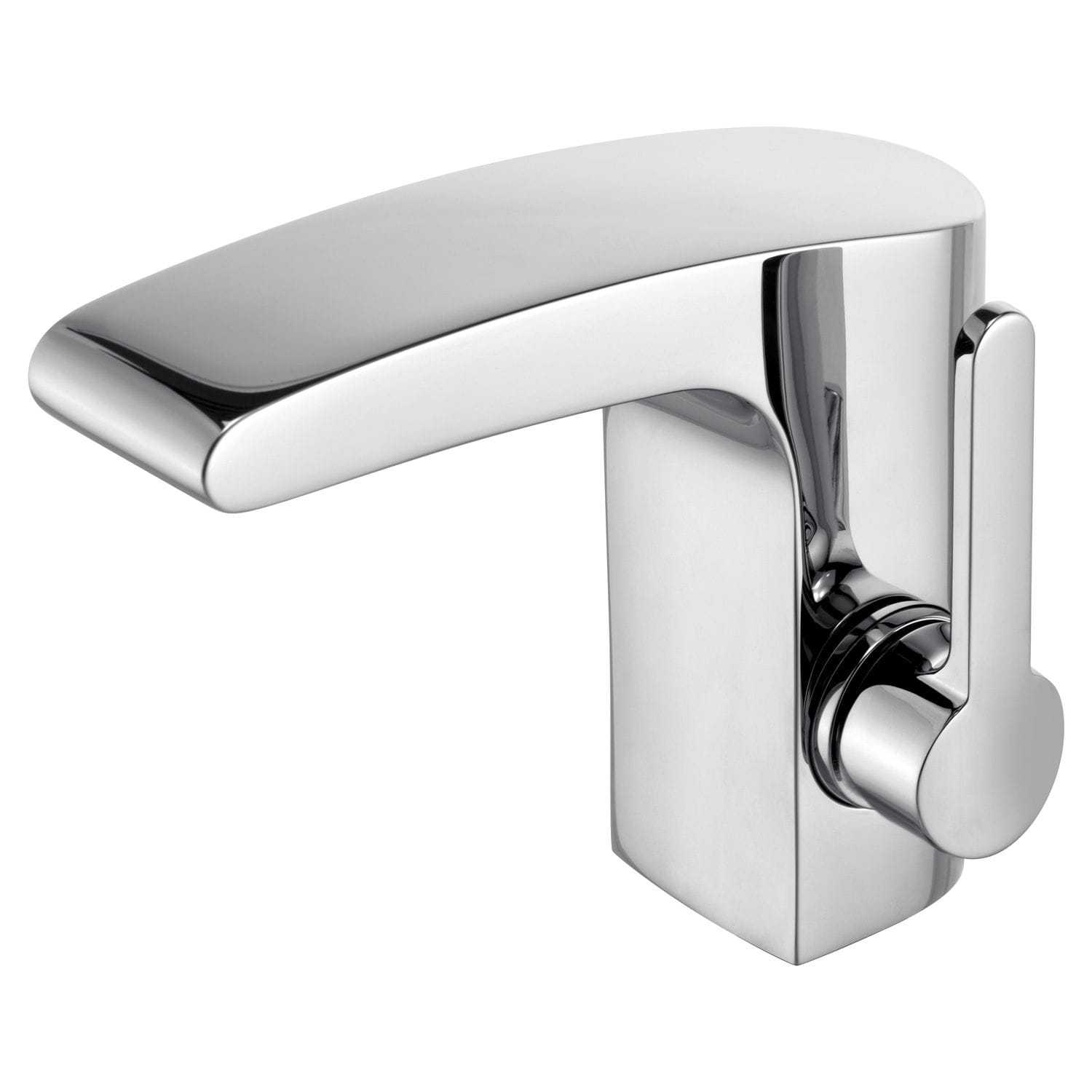
Electroplating
Electroplating <br>What are the types of electroplating plating? <br> <br>Electroplating is the process of using the principle of electrolysis to deposit a thin layer of other metals or alloys on certain metal surfaces. According to the composition of the coating, cadmium electroplating process can be divided into eight categories: chromium plating, copper plating, cadmium plating, tin plating, zinc alloy electroplating, copper nickel electroplating, gold electroplating service, and silver electroplating service. <br> <br>Chrome plating <br> <br>Chromium is a silver white metal with a slight sky blue hue. It has strong passivation performance and quickly passivates in the atmosphere, showing properties of precious metals. Therefore, the chromium plating layer on iron parts is a cathodic coating. The chromium layer is very stable in the atmosphere and can maintain its luster for a long time. It is very stable in corrosive media such as alkali, nitric acid, sulfide, carbonate, and organic acid, but soluble in hydrochloric acid and other hydrogen halide acids and hot concentrated sulfuric acid. <br> <br>The chromium layer has high hardness, good wear resistance, strong reflective ability, and good heat resistance. There is no significant change in gloss and hardness below 500 ° C; Oxidation and discoloration begin when the temperature exceeds 500 ° C; It only begins to soften when it exceeds 700 ° C. Due to the excellent performance of the chrome plating layer, it is widely used as the outer layer and functional coating of the protective decorative coating system. <br> <br>Copper plating <br> <br>The copper plating layer is pink in color, soft in texture, and has good ductility, conductivity, and thermal conductivity, making it easy to polish. After appropriate chemical treatment, decorative colors such as antique copper, copper green, black, and natural colors can be obtained. Copper plating is prone to losing its luster in the air and reacts with carbon dioxide or chloride to form a basic copper carbonate or chloride film on the surface. When exposed to sulfides, it can produce brown or black copper sulfide. Therefore, as a decorative copper plating layer, an organic covering layer needs to be coated on the surface. <br> <br>Cadmium plating <br> <br>Cadmium is a silver white, glossy, soft metal that is harder than tin and softer than zinc. It has good plasticity and is easy to forge and roll. Cadmium has chemical properties similar to zinc, but it does not dissolve in alkaline solution, dissolves in nitric acid and ammonium nitrate, and dissolves slowly in dilute sulfuric acid and hydrochloric acid. The vapor and soluble cadmium salts of cadmium are both toxic and must be strictly prevented from cadmium pollution. Due to the significant harm and high cost of cadmium pollution, galvanized or alloy coatings are usually used to replace cadmium plating. The commonly used types of cadmium plating solutions in domestic production include ammonia carboxyl complex cadmium plating, acid sulfate cadmium plating, and cyanide cadmium plating. In addition, there are also cadmium plating with pyrophosphate, alkaline triethanolamine, and HEDP. <br> <br>Tin plating <br> <br>Tin has a silver white appearance, an atomic weight of 118.7, a density of 7.3g/cm3, a melting point of 231.89 ℃, and atomic valences of divalent and tetravalent. Therefore, its electrochemical equivalents are 2.12g/A · h and 1.107g/A · h, respectively. Tin has advantages such as corrosion resistance, non toxicity, easy soldering, softness, and good ductility. <br> <br>Tin plating has the following characteristics and uses: <br> <br>(1) High chemical stability; <br> <br>(2) In the electrochemical process, the standard potential of tin is positive, which is a cathodic coating for steel. Only when there are no pores in the coating can the substrate be effectively protected; <br> <br>(3) Tin has good conductivity and is easy to solder; <br> <br>(4) Tin begins to mutate when crystallized from -130 ℃, and by -300 ℃ it will completely transform into an allotrope of a crystal form, commonly known as "tin blast". At this point, the properties of tin have been completely lost; <br> <br>(5) Tin, like zinc and cadmium coatings, can grow into whiskers under high temperature, humidity, and sealed conditions, known as long hairs; <br> <br>(6)After tin plating, it can be re dissolved in hot oil above 231.89 ℃ to obtain a glossy patterned tin layer, which can be used as a decorative coating for daily necessities. <br> <br>Zinc plating <br> <br>Zinc is easily soluble in acids and can also dissolve in bases, hence it is called a zwitterionic metal. Zinc hardly changes in dry air. In humid air, a basic zinc carbonate film will form on the surface of zinc. In environments containing sulfur dioxide, hydrogen sulfide, and marine environments, zinc has poor corrosion resistance, especially in high temperature and humidity environments containing organic acids, where zinc coatings are highly susceptible to corrosion. The standard electrode potential of zinc is -0.76V. For steel substrates, zinc coating is an anodic coating mainly used to prevent corrosion of steel. The quality of its protective performance is closely related to the thickness of the coating. <br> <br>After passivation treatment, dyeing, or coating with protective agents, the protective and decorative properties of zinc coatings can be significantly improved. With the development of galvanizing technology and the use of high-performance galvanizing brighteners, galvanizing has moved from a simple protective purpose to a protective decorative application. <br> <br>There are two types of zinc plating solutions: cyanide plating solution and cyanide free plating solution. Cyanide plating solution is divided into several categories: micro cyanide, low cyanide, medium cyanide, and high cyanide. Cyanide free plating solutions include alkaline zinc salt plating solution, ammonium salt plating solution, sulfate plating solution, and ammonia chloride free plating solution. Cyanide zinc plating solution has good plating ability, and the obtained coating is smooth and fine, which is widely used in production for a long time. But due to the high toxicity of cyanide <br> <br>Nickel plating <br> <br>1. The stability of electroplated nickel layer in air is very high. Due to the strong passivation ability of metallic nickel, an extremely thin passivation film can be quickly formed on the surface, which can resist the corrosion of atmosphere, alkali, and certain acids. <br> <br>2. Electroplated nickel has extremely small crystals and excellent polishing performance. The polished nickel coating can achieve a mirror like glossy appearance, while maintaining its luster in the atmosphere for a long time. So electroplating layers are often used for decoration. <br> <br>3. The hardness of nickel plating is relatively high, which can improve the wear resistance of the product surface. In the printing industry, nickel plating is commonly used to improve the hardness of the lead surface. Due to the high chemical stability of nickel metal, some chemical equipment also commonly uses thicker nickel coatings to prevent corrosion by the medium. The nickel plating layer is also widely used in functional aspects, such as repairing worn and corroded parts, and using brush plating technology for local electroplating. Adopting electroforming technology, it is used to manufacture electroformed plates, record molds, and other molds in the printing industry. The thick nickel plating layer has good wear resistance and can be used as a wear-resistant coating. Especially in recent years, composite electroplating has been developed, which can deposit composite nickel coatings containing wear-resistant particles, with higher hardness and wear resistance than nickel coatings. If graphite or fluorinated graphite is used as dispersed particles, the obtained nickel graphite or nickel fluorinated graphite composite coating has good self-lubricating properties and can be used as a lubricating coating. Black nickel coating is also widely used as a coating or decorative coating for optical instruments. <br> <br>4.Nickel plating has a wide range of applications and can be used as a protective and decorative coating on the surfaces of steel, zinc die castings, aluminum alloys, and copper alloys, protecting the substrate material from corrosion or providing a bright decorative effect; It is also commonly used as an intermediate coating for other coatings, and a thin layer of chromium or a layer of imitation gold is plated on it, which has better corrosion resistance and a more beautiful appearance. In terms of functional applications, nickel plating on parts in special industries is about 1-3mm thick, which can achieve repair purposes. Especially in the manufacturing of continuous casting crystallizers, molds for electronic component surfaces, alloy die-casting molds, complex shaped aerospace engine components, and micro electronic components, their applications are becoming increasingly widespread. <br> <br>Gold plating <br> <br>The electroplated gold coating has strong corrosion resistance, good conductivity, is easy to weld, high temperature resistance, and certain wear resistance (such as hard gold mixed with a small amount of other elements), and has good color resistance. At the same time, the gold alloy coating has multiple color tones, and plating gold on silver can prevent color change. And the coating has good ductility and is easy to polish, so it is commonly used as a decorative coating, such as plating jewelry, watch parts, art pieces, etc. It is also widely used in electroplating of precision instruments, printed boards, integrated circuits, electronic tube casings, electrical contacts, and other parts that require long-term stable electrical parameter performance. However, due to the high price of gold, its application is subject to certain limitations. Gold imitation plating is also widely used due to it cost effectiveness and it can reach the color effect. <br> <br>Silver plating <br> <br>This coating is used to prevent corrosion, increase conductivity, reflectivity, and aesthetics. Widely used in the manufacturing industry of electrical appliances, instruments, meters, and lighting fixtures. For example, when silver plating on copper or copper alloy parts, it is necessary to first remove oil and rust; Pre plating a thin layer of silver or immersing it in a solution composed of mercuric chloride, etc., and performing mercury treatment to coat the surface of the workpiece with a layer of mercury film; Then, the workpiece is used as the cathode, and the pure silver plate is used as the anode. It is immersed in a silver potassium cyanide electrolyte composed of silver nitrate and potassium cyanide for electroplating. Industries such as electrical appliances and instruments also use cyanide free silver plating. Electroplating solutions include thiosulfate, sulfite, thiocyanate, ferrocyanide, etc. In order to prevent discoloration of silver plating, post plating treatment is usually required, mainly including brightening, chemical and electrochemical passivation, plating precious or rare metals, or coating with a covering layer. <br> <br>silver plating <br> <br>What are the methods of electroplating? <br> <br>Electroplating can be divided into hanging plating, rolling plating, continuous plating, and brush plating, which are mainly related to the size and batch size of the parts to be plated. <br> <br>Hanging plating is suitable for general sized products, such as car bumpers, bicycle handlebars, etc. <br> <br>Roll plating is suitable for small parts, fasteners, washers, pins, etc. <br> <br>Continuous plating is suitable for batch production of wire and strip. <br> <br>Brush plating is suitable for localized plating or repair. <br> <br>Electroplating solutions include acidic, alkaline, and acidic and neutral solutions with chromium agents. Regardless of the plating method used, plating tanks, hangers, etc. that come into contact with the products and plating solution to be plated should have a certain degree of universality. <br> <br>For more information about cadmium plating cost, please feel free to contact us! <br> <br>There are many sheet metal manufacturing manufacturers, but we are one of the best choices for you. <br>#cadmium#electroplating#process <br>[a]https%3A%2F%2Fwww.yxtechco.com%2Felectroplating.html[/a]
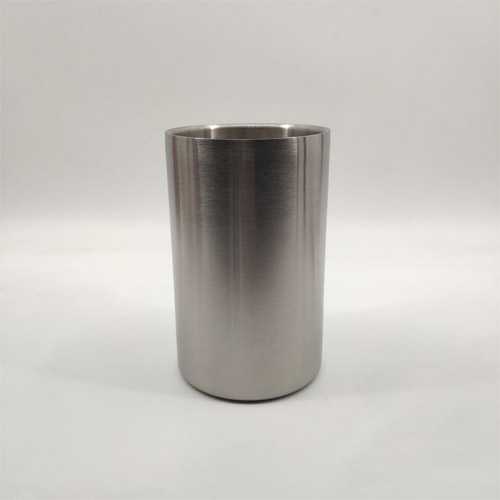
Deep Drawing
Deep Drawing <br>Deep drawing is perhaps the most useful process for creating cylindrical objects. With our deep drawing machine 46ton to four column hydraulic press 1000ton, we can fully satisfy customers demand of deep drawing from simple to complicated design. <br> <br>What is Deep Drawing? <br> <br>precision deep draw is a sheet metal forming process. Place the metal plate into the mold and shape it with a punch. When the depth of the part to be formed is greater than its diameter (at least twice its diameter), this process is called "deep" stretching. When the depth of the part to be formed is less than 0.3 in diameter, this process is called "shallow" stretching. <br> <br>Place a flat metal plate on the positioning ring of the mold. The punch presses the metal sheet into the mold, forming a shape similar to that of the mold. The stretching tools (molds, punches, etc.) on the punching machine will generate the load or energy required to press the material during the stamping process. <br> <br>During the deep drawing process, the material is transformed into the shape of the mold. This type of forming is controlled by the pressure applied to the workpiece and the lubricant (deep drawing oil) applied to the workpiece or mold. <br> <br>Each stamping operation is a separate step that reduces the diameter of the part and increases its height. It may require one or more punches to produce the desired final shape. To determine the quantity of stamped parts, it must depend on the following factors: material type, material thickness, corner and bottom radius, and product shape. <br> <br>Deep Drawing Material <br> <br>Not all metals are suitable for deep drawing. Metals with high ductility are often preferred. Below is a short summary of the most frequently-used material for deep drawing. <br> <br>Material Grade Description <br>Low carbon steel material grade DC04 /08F DC04 is a low-carbon cold-rolled steel plate suitable for deep drawing processing and commonly used in the manufacturing of automotive parts, fuel tanks, and other products. <br> ST14 ST14 is a low-carbon rolled steel plate with excellent plasticity and deep tensile properties, which is widely used in the manufacturing of electrical appliances, automotive structural components, and other fields. <br>Stainless steel material grade SUS304 SUS304 is an 18-8 series stainless steel with good corrosion resistance, weldability, and deep tensile properties, widely used in the manufacturing of pressure vessels, chemical equipment, and so on. <br> SUS316L SUS316L is a low-carbon, high nickel, and low-carbon steel with excellent corrosion resistance and good adaptability to high temperature and high pressure. It is widely used in the manufacturing of medical devices, aircraft, and other fields. <br>Aluminum alloy material grade 3003 3003 aluminum alloy has good deep tensile properties and plasticity, and is widely used in the automotive and home appliance manufacturing industry. <br> 5052 5052 aluminum alloy has good deep tensile properties and strength, and is suitable for manufacturing products that require high strength and toughness, such as shells, bodies, and tanks. <br>Other material grades SPCC SPCC is a cold-rolled steel plate with good deep tensile properties, which is widely used in the manufacturing of automotive, electrical and other products. <br> SAPH440 SAPH440 is a high-strength hot-rolled automotive plate suitable for manufacturing automotive components, doors, roofs, and other products. <br> <br>Overall, different material grades have their own advantages and applicability in deep drawing processing. Choosing appropriate materials and grades is crucial for ensuring product performance and quality. <br> <br>Advantages of Deep Drawing in Shanghai Yixing Technology <br>As experts in deep drawing technology, we have been providing deep drawing shell services for the automotive industry, air conditioning, medical, household appliances, refrigeration systems, electronic products in countries and regions such as North America, Europe, the Middle East, and Asia. <br> <br>Advantages of Deep Drawing in Shanghai Yixing Technology <br>At present, the main equipment includes professional equipment such as 100-1000ton hydraulic presses, 46-630 ton stamping machines, large precision CNC machine tools, CNC lathes, etc. <br> <br>Advantages of Deep Drawing in Shanghai Yixing Technology <br>Our deep drawing sheet metal forming service is not limited to simple or standard shapes. Our craftsmanship allows for the creation of complex and intricate designs that may be challenging or even impossible to achieve using other methods. Whether your goal is cylindrical, conical, rectangular, or any other unique shape, deep drawing and stamping technology in Shanghai Yixing can meet your needs. <br> <br>FAQ of Deep Drawing <br>What are the advantages of Deep Drawing? <br>1. Seamless <br> <br>Deep drawing can produce a uniform and seamless shape, reducing potential weaknesses in the finished product but also make it more aesthetic to some degree. <br> <br>2. Strength <br> <br>The material is hardened during deformation which can improve the strength of final parts. <br> <br>3. Consistency <br> <br>Deep drawn parts have a high degree of consistency from the beginning to the end of production. <br> <br>4. Fast cycle time <br> <br>The press set for deep drawing can cycle quickly, which is a very effective way to produce large quantities of parts. <br> <br>5. Reduce labor cost <br> <br>Deep drawing can achieve automation, significantly reducing labor costs. <br> <br>6. Faster assembly <br> <br>Deep drawing can create closed end shapes, eliminating the secondary process like welding etc. <br> <br>What are the key factors affecting sheet metal drawing? <br>How to prevent wrinkles in deep drawing parts? <br> <br>For more information about deep drawing price and deep drawing video, please feel free to contact us! <br> <br>If you are looking for a reliable deep drawing suppliers, don't hesitate to contact us! <br> <br>There are many sheet metal manufacturing suppliers, but we are one of the best choices for you. <br>#precision#deep#draw <br>[a]https%3A%2F%2Fwww.yxtechco.com%2Fdeep-drawing%2F[/a]
About yxtechco .com's Store
No description provided.
0.0
Customer Reviews
See what others are saying about yxtechco .com's Store. We verify purchases to ensure reviews are genuine.
No reviews yet for this store.