



titansuhe's Store
easyid.live/biz/titansuhe • Verified Store
Scan to open official EasyID digital store and view live catalog.
Share titansuhe's Store
Share this store link with your friends and customers
titansuhe's Store
Open Now • Open 24/7Verified Merchant
EasyID Certified Seller
Fast 24h Packing
Direct courier dispatch
Zero Escrow Direct
Direct merchant settlement
Store Listings (3)
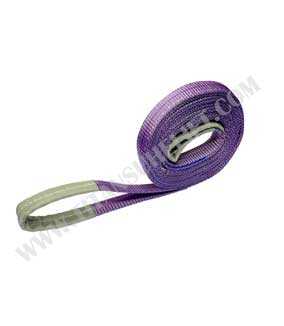
Polyester Webbing Lifting Slings
#manufacturer <br>[a]https%3A%2F%2Fwww.titansuhelift.com%2Fproduct%2Fpolyester-slings%2F[/a] <br>Polyester Webbing Lifting Slings <br>Polyester lifting webbing sling features lightweight and high flexibility, Polyester flat webbing sling is produced as a plat webbing sling, endless loop sling, and round webbing sling. Duplex flat webbing slings are used in various manufacturing industries for maintenance. From the flat eye, endless loop or reverse eye design, a webbing sling handles light- to heavy-duty jobs. We have single-ply, duplex-ply, and multiple-ply webbing slings to meet your different lifting applications. Duplex round webbing sling feature with a wear-resistant jacket cover to extend the service life. They are mostly used for large equipment handling or material transferring. <br> <br>As a professional polyester sling manufacturer, webbing sling factory, TITANSUHE's rigging and lifting slings are all color coded according to EN1492-1/2 specifications and capacity indicated by sew-in strips. Both features can help quickly recognize load rating at a glance and avoid the wrong selection of duplex lifting slings capacity. The safety factors are available from 4:1,5:1, 6:1, 7:1, and 8:1. All these web slings for lifting can be used in vertical, basket and choker hitches that are frequently used with rigging and lifting equipment. <br> <br>Types of Polyester Webbing Slings for Sale <br>1 Ton Webbing Sling <br>2 Ton Webbing Sling <br>3 Ton Webbing Sling <br>4 Ton Polyester Webbing Sling <br>5 Ton Polyester Webbing Sling <br>6 Ton Polyester Webbing Sling <br>8 Ton Polyester Webbing Sling <br>10 Ton Polyester Webbing Sling <br>1 Ton Endless Polyester Round Sling <br>2 Ton Endless Polyester Round Sling <br>3 Ton Endless Polyester Round Sling <br> <br>Webbing Sling Material <br>Webbing slings are used in a variety of lifting applications in industries such as construction, manufacturing, and logistics. The material used for webbing slings is typically a strong, durable synthetic fiber. The most commonly used materials for webbing slings include: <br>Polyester: This is the most popular material used for webbing slings due to its excellent strength, durability, and resistance to abrasion and UV light. It also has low stretch properties, which makes it ideal for applications that require precise lifting. <br> <br>Nylon: Nylon webbing slings are also strong and durable, but they have higher stretch properties compared to polyester. This can make them more suitable for lifting applications where shock absorption is required. <br> <br>Polypropylene: Polypropylene webbing slings are lightweight and affordable, making them a popular choice for light-duty lifting applications. However, they have lower strength and durability compared to polyester or nylon, and are more susceptible to damage from UV light and abrasion. <br> <br>Dyneema: Dyneema is a high-performance synthetic fiber that is known for its exceptional strength and durability. It is much stronger than polyester or nylon, and also has low stretch properties. However, it is more expensive than other materials and may not be necessary for all lifting applications. <br> <br>The choice of webbing sling material will depend on the specific lifting application and the weight of the load being lifted. It is important to choose the appropriate material and weight capacity to ensure safe and efficient lifting operations. <br> <br>Polyester Webbing Lifting Slings Advantage <br>Polyester china lifting sling has many features and advantages compared with lifting slings made of other materials. The main features of polyester slings are soft, wide contact, low elongation, high strength, each attaching and easy choker, changeable load bearing point, no worry of twist, knot corrosion damage, and so on. They are widely used in factories, shipyards, oil & gas field, mining, offshore industry, etc. <br> <br>Compared with other lifting equipment types, the polyester flat webbing sling has a much higher safety factor that can grade to a maximum of 8 times of rated working load. It is also available with 5:1, 6:1, and 7:1 safety factors. <br> <br>Operation Information of Lifting & Rigging Slings <br>Before use, determine weight of the load to be sure not exceeding the rated capacity of the duplex lifting slings. <br> <br>Select Polyester webbing lifting slings that have proper characteristics for the type of load, hitch and environment. <br> <br>Be sure the polyester sling belt has enough length when using it with fittings for choker hitch purposes so that the choking point will be on the webbing belt while not on the fittings. <br> <br>Always keep the load balanced when using the polyester lifting sling belt in the basket hitch to prevent load slipping. <br> <br>Always protect the polyester webbing sling belt from being cut by sharp edges and corners. <br> <br>Do not drag the polyester webbing lifting slings on ground, or over the abrasive surface. <br> <br>Do not stand under the loads and pull the polyester lifting webbing sling when the load is still resting on the sling. <br> <br>Do not use polyester duplex webbing slings that have visible damage. <br> <br>Be sure the loads can be controlled when use the sling in a hitch way. <br> <br>Do not use polyester lifting webbing sling above 90 degrees C, <br> <br>Do not expose the polyester lifting straps to sunlight or ultra-violet light that will reduce the sling strength. <br> <br>Always store the polyester lifting webbing sling in a dry, cool and dark place when not in service. <br> <br>Polyester Webbing Sling Protection <br>Polyester webbing slings are a popular choice for lifting applications due to their excellent strength and durability. However, like all lifting equipment, they require proper protection and maintenance to ensure they remain safe and effective. Here are some tips for protecting your polyester webbing slings: <br>Store properly: Store webbing slings in a clean, dry area that is free from moisture, chemicals, and direct sunlight. Avoid storing slings in damp or humid areas, as this can cause mold or mildew to grow on the material. <br> <br>Inspect regularly: Inspect your webbing slings before and after each use to check for any signs of damage or wear. Look for frayed edges, cuts, abrasions, or other damage to the material. If any damage is found, remove the sling from service and replace it with a new one. <br> <br>Clean when necessary: Clean your webbing slings when they become dirty or contaminated with dirt, grease, or other substances. Use a mild detergent and warm water to clean the slings, and rinse thoroughly with clean water. Do not use harsh chemicals or bleach, as this can damage the material. <br> <br>Use protective sleeves: Use protective sleeves or covers to protect your webbing slings from sharp edges or rough surfaces that can cause damage to the material. These sleeves can be made from materials such as nylon or PVC, and are designed to fit over the webbing sling to provide an additional layer of protection. <br> <br>Follow proper lifting procedures: Follow proper lifting procedures when using your webbing slings to ensure safe and effective lifting operations. Make sure the sling is properly attached to the load and lifting equipment, and use appropriate rigging techniques to prevent overloading or twisting of the sling. Always follow the manufacturer's instructions for use and weight capacity limitations. <br> <br>By following these tips, you can help protect your polyester webbing slings and ensure they remain safe and effective for lifting operations. <br> <br>Polyester Lifting Slings Function <br>Polyester lifting slings are used in various industries to lift heavy loads safely and efficiently. They are made of high-strength polyester fibers that are resistant to stretching, abrasion, and UV rays. These slings come in different sizes and configurations, such as flat, round, and endless, and can be customized to suit specific lifting needs. <br> <br>The primary function of polyester lifting slings is to provide a secure and reliable means of lifting heavy loads. They are designed to distribute the load evenly across the sling, reducing the risk of damage to the load or the lifting equipment. Additionally, they are flexible and lightweight, making them easy to handle and maneuver in tight spaces. <br> <br>Polyester lifting slings are commonly used in industries such as construction, manufacturing, and shipping. They are often used to lift materials such as steel beams, concrete blocks, machinery, and shipping containers. When used properly, these slings can improve workplace safety by reducing the risk of accidents and injuries caused by improper lifting techniques or equipment failure. <br> <br>In summary, polyester lifting slings are an essential tool for any industry that requires heavy lifting. They provide a safe and efficient means of lifting heavy loads, reduce the risk of damage to the load and the lifting equipment, and improve workplace safety. <br> <br>How to Choose the Right Web Slings for Lifting <br>Choosing the right web sling for lifting involves considering various factors such as the weight and size of the load, the lifting environment, and the type of hitch required. Here are some important factors to consider when choosing web slings for lifting: <br>Load weight and size: The weight and size of the load to be lifted will determine the capacity and length of the web sling required. The working load limit (WLL) of the sling should be greater than the weight of the load being lifted. <br> <br>Type of hitch: Different types of hitches, such as vertical, choker, or basket, require different types of web slings. Ensure the sling you choose is suitable for the hitch required. <br> <br>Environment: Consider the environment in which the sling will be used. For example, if the sling will be exposed to UV rays or chemicals, choose a sling that is resistant to these factors. <br> <br>Type of web sling: There are different types of web slings, such as flat, round, and endless slings, each with their own advantages and disadvantages. Choose a type that is best suited for the load and the lifting environment. <br> <br>Material and construction: Web slings are made of different materials, such as polyester, nylon, and polypropylene, each with their own strengths and weaknesses. The construction of the sling, such as the number of plies and the type of stitching, can also affect its strength and durability. <br> <br>Certification: Ensure the web sling you choose is certified and meets industry standards, such as OSHA and ASME. <br> <br>In summary, choosing the right web sling for lifting requires considering the weight and size of the load, the type of hitch required, the lifting environment, the type of web sling, the material and construction, and certification. By taking these factors into account, you can ensure safe and efficient lifting operations. <br> <br>As one of webbing sling manufacturers and webbing sling suppliers, we can provide kinds of webbing slings for sale, if you want to buy webbing sling, please contact us.
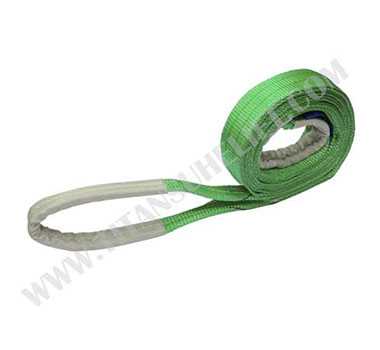
Sling Lift and Rigging
#chain <br>[a]https%3A%2F%2Fwww.titansuhelift.com%2Fproduct%2Flifting-rigging-slings%2F[/a] <br>Sling Lift and Rigging <br>TITANSUHE produces rigging and lifting slings that are to be used with lifting equipment or crane for positioning, lifting, and transferring large loads. These slings and rigging can be categorized into three general types according to their construction and materials: chain slings, polyester slings, and wire rope slings. Chain slings are more used for short-length material handling or road rescues. Polyester slings are widely used in lifting tools applications that need soft touch and protection to the load's surface. Wire rope slings can be engineered with extremely long lengths, suitable for long-distance material and equipment handling such as bridges and building constructions. Contact us if you are looking for china chain sling for sale! <br> <br>China Lifting Slings Types for Sale <br>01 <br>Polyester Slings <br>Webbing Slings and round slings are usually used to lift loads that need protection from damage. <br>These polyester webbing slings are specially designed to carry heavy loads and lift them safely. It's very strong yet lightweight, and its flexibility reduces shock when loading. They come out with bright colors and easily to identify their capacity on body. <br>1 Ton Webbing Sling <br>2 Ton Webbing Sling <br>3 Ton Webbing Sling <br>4 Ton Polyester Webbing Sling <br>5 Ton Polyester Webbing Sling <br>6 Ton Polyester Webbing Sling <br>8 Ton Polyester Webbing Sling <br>10 Ton Polyester Webbing Sling <br> <br>02 <br>Chain Sling <br>The chain sling is a very sturdy chain hook tool. Chain slings are available with grade 100 or grade 80 chain that combined with different accessories to form one, two, three or four chain legs. Hooks with different ends and chain lengths are used for various construction or industrial sites. <br>Grade 8 Short Link Chain <br>Grade 10 Short Link Chain <br>1 Leg Chain Sling <br>2 Leg Chain Sling <br>3 Leg Chain Sling <br>4 Leg Chain Sling <br>A link Chain Sling <br>Tow Chain <br> <br>03 <br>Wire Rope Sling <br>Wire ropes are often made into different forms of slings for the lifting industry due to their high strength, durability and wear resistance. <br>Pressed Wire Rope Slings <br>Soft Eye Wire Rope Slings <br>Wire Rope Press Machine <br> <br>Why Choose Titansuhe be your Chain Lifting Slings Manufacturers? <br>Each chain links and chain components are tempered and quenched to get high strength and abrasion resistance for overhead lifting.To make chains fit properly with hooks or hoists also get each link calibrated before delivery. G80 chain can be used in any rigging application that requires a 30-80 grade chain. To identify class 80 slings and lifting chains, all chains are marked with embossed G80 on body. This do good for your checking during usage. As a reliable china lifting chain equipment China supplier, the chain components are also completed through a rigorous inspection process and testing procedure to ensure that the end user gets a quality chain sling. <br> <br>Safe Use of Hoists and Slings <br>Determine the load weight and be sure it’s within the rated capacity of the sling. <br> <br>Chose rigging slings that have suitable characteristics for the type of load, hitch and environment. <br> <br>Never use lifting slings exceeding its rated capacity. When using 2 leg or multi-leg slings, the load angle will affect the rated load. See load chart below. <br> <br>Lifting slings with fittings which are used as a choker hitch shall be of sufficient length to assure that the choking action is on the slings and never on a fitting. <br> <br>When using lifting slings in a basket hitch, be attention to balance the load and prevent slipping. <br> <br>Be sure the fittings have proper shape and size of the opening that can seat properly in the hook or other attachments. <br> <br>Keep rigging slings away from the sharp corners, sharp edges that may cut or damage the slings, protrusions or abrasive surfaces. <br> <br>Do not drag slings on the floor or over an abrasive surface. <br> <br>Do not twist or tie slings into knots or join slings by knotting. <br> <br>Do not pull slings from under loads if the load is resting on the sling. <br> <br>Do not drop slings equipped with metal fittings. <br> <br>Do not use slings that have damages or defect unless it is inspected and accepted by qualified person. <br> <br>When use slings in hitched, it should be able to control the load. <br> <br>Always stand clear from between the sling and the load, and from between the sling and the crane hook or hoist hook. <br> <br>Always keep personnel away from the suspended load. <br> <br>Do not allowed personnel ride the sling. <br> <br>Do not shock loading. <br> <br>Do not twist and kink the sling legs. <br> <br>Always center the load in the hook bowl to prevent point loading on the hook. <br> <br>During lifting, with or without the load, personnel shall be alert for possible snagging. <br> <br>When using slings a basket hitch, always contain and support the load from the sides above the gravity center. <br> <br>Always pay attention to the angle of the legs and select slings with enough length to provide adequate rated capacity. <br> <br>Place blocks under load prior to setting down the load, to allow removal of the slings, if applicable. <br> <br>Do not use Nylon or duplex polyester webbing sling at temperatures above of 194 degrees F (90 degrees C). <br> <br>Do not expose the polyester slings under sunlight or ultra-violet light which will degrade the strength of the slings. Always keep slings in a dry, cool and dark place when not in use. <br> <br>In choker hitch, slings shall be long enough so that the choker lifting chokes onto the sling eye or body and never onto any fittings. <br> <br>Do not use slings at angles of less than 30 degrees from horizontal. <br> <br>Inspection Before Buy Lifting Slings <br>A. Initial Inspection <br>Before placing any new or repaired slings in service, always inspect the sling and be sure that the correct sling is being used, and the sling meets the requirements of this specification and has not been damaged in shipment. <br> <br>Failure to read, understand and follow the use and inspection instructions with each sling may result in severe personal injury or death <br> <br>B. Frequent Inspection <br>Before each using, inspect the slings by a qualified person. <br> <br>C. Periodic Inspection <br>Periodically inspect the slings by a designated personnel base on following information. <br> <br>1. Sling using frequency <br>2. Sling service condition <br>3. Sling service life <br>4. Periodic inspections should be conducted at least monthly <br> <br>Angle and Load Chart of Lifting & Rigging Slings <br>ANGLE is measured between a horizontal line and the sling leg or body. This angle is very important and can have a dramatic effect on the rated capacity of the sling. As illustrated, when this angle decreases, the load on each leg increases. This principle applies whether one sling is used to pull at an angle, in a basket hitch or for multi-legged bridle slings. This data is only for equally loaded sling legs. Sling angles of less than 30 degrees are not recommended. <br> <br>Removal Lifting & Rigging Slings From Service <br>Removed slings from service if any of the following are visible: <br> <br>Sling tag information is missing or not readable. <br> <br>Acid or alkalis burns. <br> <br>Melting, charring or weld spatter of any part of the sling. <br> <br>Holes, tears, cuts, snags or embedded particles. <br> <br>Broken or worn stitching in load bearing splices. <br> <br>Excessive abrasive wear. <br> <br>Knots in any part of the sling. <br> <br>Distortion, excessive pitting,corrosion or broken fittings. <br> <br>Any conditions which cause doubt as to the strength of the sling. <br> <br>Metal Fittings that are cracked, deformed, including melting or charring. <br> <br>Hooks with throat openings increased by more than 15 percent or twisted out of plane more than 10 degrees. <br> <br>Now the price of manual chain hoist is reasonable, if you have needs, please contact us.
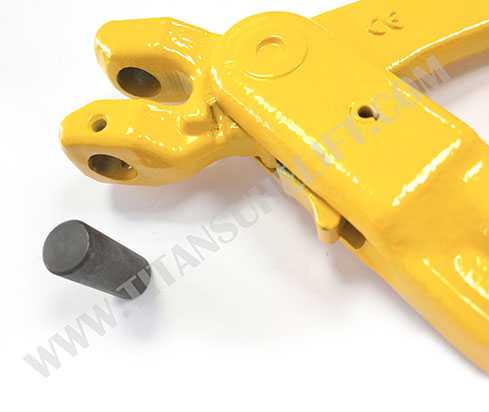
Grade 8 Clevis Self Locking Hooks
#locking <br>[a]https%3A%2F%2Fwww.titansuhelift.com%2Fproduct%2Fgrade-8-clevis-self-locking-hooks%2F[/a] <br>Grade 8 Clevis Self Locking Hooks <br>Clevis self locking safety hooks are designed for direct connection with grade 8 chains. It is produced according to European standard for components EN1677-3. The China clevis slip hook locks automatically under load or tension and must be unlocked manually to open hook and release load. This can prevents unintended hook opening. Because the latch of the China clevis slip hook with latch type can not be removed, this China clevis slip hook provides full safety for lifting. <br> <br>Quick View of Grade 8 Clevis Self Locking Hooks <br>Model No.: TCSH082 <br>Material: Alloy Steel, Quenched and Tempered <br>Specification: EN1677-3 <br>Marking: Size+W.L.L+CE <br>Size: 6mm up to 32mm <br>Working Load Limit: 1.12ton up to 31.5ton <br>Breaking Strength: 4.48ton up to 126ton <br>Color: Yellow as standard, other colors available by request <br>Packing: Plastic bag+carton+pallet <br> <br>Features and Benefits of Grade 8 Clevis Self Locking Hooks <br>Made of high strength alloy steel, Chinese standard and EN standard raw material for choice <br> <br>Conform with EN1677-3 specifications <br>Minimum breaking load 4 times of rated working load <br>Designed for direct connection with Grade 80 chains <br>Self-locking latch will not open under load, can effectively hold the loads and prevent accident slip. <br>Powder painting in yellow color for high visibility. Different colors are available as per request. <br>Working load limit permanently shown on the body to instruct proper use under rated load <br>Individually proof tested at 2.5 times of the working load limit. <br>Can be used under temperature -40゜C-200゜C without reducing of the working load limit <br>Mill test certificate available for each shipment <br> <br>If you want to know more kinds of lifting products, please visit our website.
About titansuhe's Store
No description provided.
0.0
Customer Reviews
See what others are saying about titansuhe's Store. We verify purchases to ensure reviews are genuine.
No reviews yet for this store.