


Greens Tone's Store
easyid.live/biz/greenstone • Verified Store
Scan to open official EasyID digital store and view live catalog.
Share Greens Tone's Store
Share this store link with your friends and customers
Greens Tone's Store
Open Now • Open 24/7Verified Merchant
EasyID Certified Seller
Fast 24h Packing
Direct courier dispatch
Zero Escrow Direct
Direct merchant settlement
Store Listings (3)
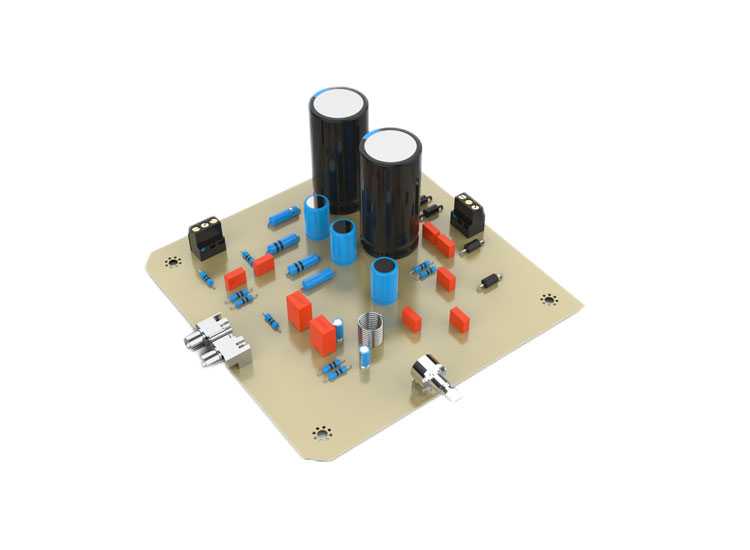
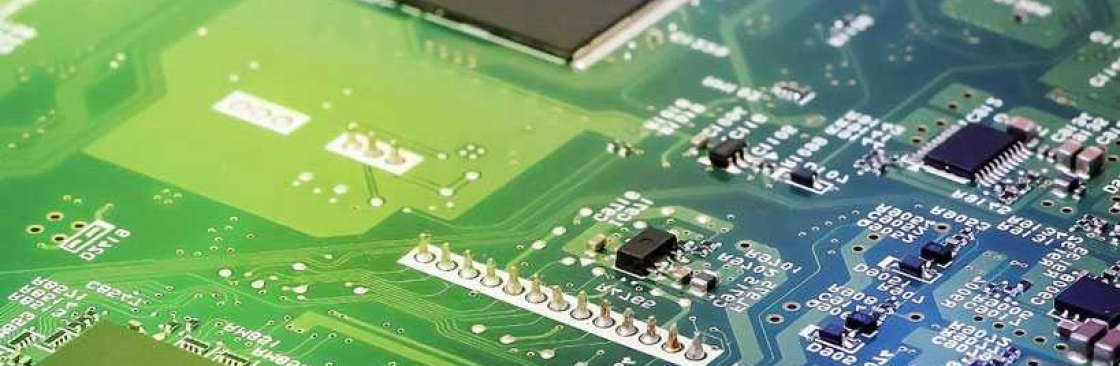
China Through-hole PCB Assembly
#through <br>[a]https%3A%2F%2Fwww.greenpcba.com%2Fthrough-hole-pcb-assembly%2F[/a] <br>GreensTone provides china automated through hole pcb assembly services to meet conventional lead assembly requirements of a variety of industries. We provide single, double-sided, as well as high-density multilayer Plated Through Hole (PTH) circuit board assembly services to meet low to mid volume production. Most through-hole printed circuit board services are designed to provide high-quality products to mission-critical applications to industries such as new energy like EV charger, industry control like Electric meters, and military. <br> <br>China Automated Though hole PCB Assembly Testing and Inspection Capabilities <br>Automated Optical Inspection: Abbreviated as AOI, these tests are performed to ensure that product is free from soldering, component, and BGA defects. <br>Burn-in Tests: These tests to detect components failure or reliability in real environments. <br>Automated X-Ray Inspection: This testing is performed to inspect insufficient fills, short circuits, fills, etc. The automated X-ray inspection helps reduce the number of defects, and improve the quality of the Through-Hole circuit. <br>In-Circuit Testing: This type of testing is conducted for high volume production lines, and helps us check every minute soldering, and other components in detail. <br>Assisted Visual Inspection <br> <br>What Are The Applications For China Automated Through-hole PCB Assembly? <br>China through hole PCB assembly, though a traditional method, continues to find its niche in various specialized applications: <br>Aerospace and Defense: In critical aerospace and defense systems, where reliability is paramount, through-hole components offer robust connections that withstand harsh conditions and vibrations. China through hole PCB assembly are commonly used in avionics, radar systems, and military hardware. <br>Medical Devices: Medical equipment, including life-saving devices like pacemakers and diagnostic instruments, often rely on through-hole assembly due to its durability and adherence to strict medical standards. <br>Industrial Automation: Components for industrial automation must endure tough environments with high temperatures and vibrations. China through hole assembly components excel in these settings, making them essential for motor control systems and sensor interfaces. <br>Automotive Electronics: Certain automotive applications, such as engine control units (ECUs) and airbag systems, benefit from the robustness of through-hole components, which can withstand the mechanical stresses and temperature variations in vehicles. <br>High-Power Devices: For high-power applications, where components need to handle substantial current and heat dissipation, China throughhole PCB assembly components are preferred. Examples include power amplifiers and voltage regulators. <br>Prototyping and Development: In the early stages of product development, through-hole components are chosen for their ease of manual assembly and modification. They facilitate testing and prototyping processes. <br>Legacy Systems: Older electronic systems and legacy equipment often rely on through-hole components. Repairing or retrofitting these systems often requires China through hole assembly to maintain compatibility. <br>Education and Training: China through hole PCB assembly is commonly used in educational settings to teach electronics fundamentals. Its simplicity and accessibility make it an excellent starting point for students learning about PCB assembly. <br> <br>China Automated Through Hole Pcb Assembly Design Process <br>Designing a PCB for through-hole assembly is a meticulous process that involves several key steps. Here, we'll walk you through the through-hole PCB assembly design process, highlighting each stage's significance: <br>1. Project Requirements Analysis: <br>Begin by thoroughly understanding the project's requirements, including component types, performance specifications, and environmental conditions. These insights shape the design objectives. <br>2. Schematic Capture: <br>Create a schematic diagram using Electronic Design Automation (EDA) software. This schematic illustrates the electrical connections between components, forming the basis of your PCB design. <br>3. Component Selection: <br>Choose through-hole components that align with project requirements, considering voltage ratings, current handling capacity, and physical size. Availability of components is also a key factor. <br>4. PCB Layout Design: <br>Utilize PCB design software to place components on the board. Carefully consider factors like component orientation, spacing, and signal routing to optimize functionality and ease of assembly. <br>5. Routing and Tracing: <br>Create copper traces on the PCB to establish electrical connections between components as per the schematic. Ensure proper signal integrity, avoiding cross-talk or interference. <br>6. Design Rule Check (DRC): <br>Run a DRC to identify and rectify any design violations or errors, ensuring the design adheres to manufacturing and assembly standards. <br>7. Footprint and Hole Placement: <br>Define component footprints and hole placements, ensuring alignment with through-hole components' lead spacing and size. <br>8. Thermal Considerations: <br>Pay attention to components that may generate heat and incorporate thermal management strategies, like vias or heatsinks, to maintain proper operating temperatures. <br>9. Layer Stackup: <br>Determine the number of PCB layers needed and establish the layer stackup, considering factors such as signal integrity and impedance control. <br>10. Design Review: <br>- Conduct a comprehensive design review to identify any potential issues or optimizations, involving multiple stakeholders if necessary. <br>11. Documentation: <br>- Generate detailed design documentation, including Gerber files, assembly drawings, and bill of materials (BOM), to guide PCB fabrication and assembly. <br>12. Prototyping: <br>- Before full-scale production, create a prototype to validate the design's functionality and make any necessary refinements. <br>13. Manufacturing and Assembly: <br>- Once the design is finalized and validated, proceed to PCB fabrication and through-hole assembly. <br>14. Testing and Quality Control: <br>- Rigorously test the assembled PCBs to ensure they meet performance standards and quality criteria. <br>15. Production: <br>- Scale up production for the required quantity, ensuring consistency and adherence to design specifications. <br>Throughout this process, collaboration with experienced PCB designers and assembly experts is essential to ensure a successful through-hole PCB assembly design. Attention to detail, adherence to standards, and thorough testing contribute to a reliable and functional final product. <br> <br>HOW DOES THROUGH HOLE PCB ASSEMBLY WORK? <br>China through-hole PCB assembly is a conventional method of mounting electronic components onto a printed circuit board (PCB). Here's how the process works: <br>Component Insertion: <br>Through-hole components have leads (wire-like extensions) that are inserted into corresponding holes on the PCB. These holes are plated with conductive material to create electrical connections. <br>Soldering: <br>Once components are inserted, the PCB is typically flipped over, and the leads protruding from the bottom are soldered to create secure electrical connections. This soldering process can be manual or automated. <br>Trimming and Cleaning: <br>Excess lead lengths are trimmed, and the PCB is cleaned to remove any flux residue or contaminants. <br>Quality Control: <br>The assembled PCB undergoes thorough quality control checks to ensure proper soldering, component placement, and functionality. This may include visual inspection, automated testing, and functional testing. <br>Secondary Assembly (Optional): <br>In some cases, through-hole assembly may be combined with surface mount technology (SMT) assembly to accommodate a wider range of components and functions. This is known as mixed-technology assembly. <br>Final Testing: <br>The completed PCB is subjected to final testing to verify its performance and functionality according to project requirements. <br>Packaging and Shipping: <br>Once the PCBs pass all quality checks, they are packaged according to customer specifications and prepared for shipping. <br> <br>Our Through Hole PCB Assembly Capabilities <br>At GreensTone, we pride ourselves on our extensive capabilities in through-hole PCB assembly. Our commitment to quality, efficiency, and customer satisfaction sets us apart. Here's an overview of our capabilities: <br>Experienced Team: Our team of skilled engineers and technicians possesses years of experience in through-hole PCB assembly, ensuring the highest level of expertise. <br>Comprehensive Services: We offer comprehensive through-hole assembly services, including design support, component sourcing, PCB fabrication, assembly, testing, and quality control. <br>State-of-the-Art Equipment: We utilize cutting-edge equipment and technology for precise component placement, soldering, and quality assurance. <br>Customization: We understand that every project is unique. We collaborate closely with our clients to accommodate specific component preferences, design complexities, and compliance requirements. <br>Quality Assurance: Quality is our top priority. We implement stringent quality control measures at every stage of the assembly process to deliver PCBs of the highest standards. <br>Efficiency: Our streamlined processes and advanced equipment enable us to complete projects quickly and efficiently, meeting tight deadlines and ensuring on-time delivery. <br>Cost-Effective Solutions: We focus on cost-efficiency without compromising quality, helping our clients achieve their project goals within budget. <br> <br>Manual & Automated Through Hole PCB Assembly Services <br>Our through-hole PCB assembly services encompass both manual and automated processes, allowing us to cater to a wide range of project requirements: <br>Manual Assembly: For projects with specific requirements or low-volume production, manual through-hole assembly provides the flexibility needed for precise component placement and soldering. <br>Automated Assembly: High-volume projects benefit from our automated through-hole assembly processes. Our automated equipment ensures efficiency, consistency, and accuracy in component placement and soldering. <br> <br>GreensTone Is A Through Hole PCB Assembly Expert <br>With a strong commitment to quality, reliability, and innovation, GreensTone stands as your trusted expert in through-hole PCB assembly. Our extensive capabilities, experienced team, and dedication to excellence make us the ideal partner for your through-hole assembly needs. <br>When you choose GreensTone, you gain a partner dedicated to the success of your project. Our expertise and commitment to quality ensure that your through-hole PCBs meet the highest standards and are ready to power your electronic products reliably. <br> <br>If you are looking for a reliable ems manufacturing company, don't hesitate to contact us!
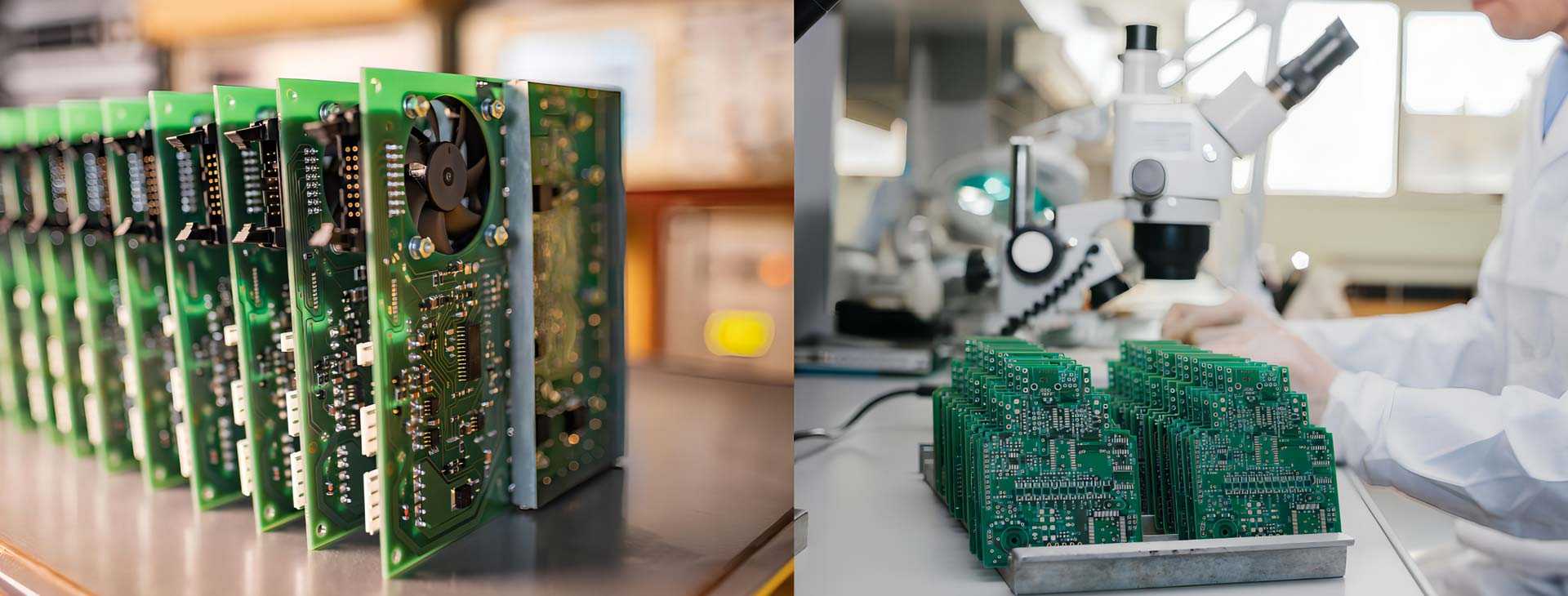
SMT PCB Assembly
#assembly <br>[a]https%3A%2F%2Fwww.greenpcba.com%2Fsmt-pcb-assembly%2F[/a] <br>As SMT assembly supplier, GreensTone SMT production runs with automated SMT production processes, including single or double-sided component insertions. STM components include passive Component: components as small as 01005, 0201,0402. <br>ICs like BGA: handle BGA of 0.25mm pitch with X-ray testing, fine Pitch to 0.25mm UBGA, QFN, POP, leadless chips, connectors and terminals, these components can be in Reels, Cut Tape, Tube & Tray, Loose Parts and Bulk package. <br> <br>GreensTone SMT PCB Assembly Advantages <br>High quality At the customer's request, contract electronics manufacturing factory GreensTone always sources components from suppliers recommended by the client. We do not replace components or use a supplier that is not approved by the customer. Incoming quality control, outgoing quality control and in-process quality control. Visit our reliable network of suppliers, on-site inspection of raw material, internal audits monitor facilities, all requirements specified in writting, any changes are made through a secure approval process. <br>Cost Effective-We are located in the city Shenzhen(The electronics components center),China .This allows us to provide low-cost circuit board manufacturing,lectronic components procurement and assembly services. <br>Experienced team work <br>We have more than 10 years experience in contract manufacturing. when you come to work with GreensTone to start China prototype pcb assembly services or contract manufacturing project, our sales people will get in touch with you at first, the design assistant engineer will check your files include BOM list, drawings and components specifications.when you decide to order from us, the project manager will set-up project account for you, our assembly engineer will give you some advanced assembly suggestion before volume production. So you can see, we have at least 4-5 expertise work as a team, these engineers are with backgrounds in mechanical design, testing, materials,injection for plastics and CAD modeling. <br>GreensTone always has good performance in complex manufacturing, we have expertise in electronics components,expertise team in plastic/metal/cable parts,expertise team in assembly&testing and expertise team in quality control. For a new complex project, run the project in sections is important. Run a project we go like this: project review--project--approval --prototype--small batches--Bulk production. <br>Flexibility We react quickly to your changing needs. Our working time and style is flexible to meet your variable needs. To us, your requirements are our guidelines and rules to follow. <br>Whether you need design support, electronic manufacturing services or technology expertise, we can help. And we'll do it wherever you are in the product development process-from design and manufacturing to supply chain, logistics and packing-to bring your products to market faster and more efficiently. We have expertise in mechanicals, plastics and electronics. We have the flexibility to provide support across your entire product life-cycle, including expert design collaboration, robust testing, advanced assembly capabilities and more.No matter the volume, scale or complexity of your products <br>Care about your product security whole-life long-term run, we have: <br>Expertise in meeting UL/CE/VDE requirements <br>RoHs-compliant manufacturing process. <br>IS09001&IS014001 certification <br> <br>Specification of SMT PCB Assembly Capability <br>Ball Grid Array (BGA) <br>Ultra-Fine Ball Grid Array (uBGA) <br>Quad Flat Pack No-Lead (QFN) <br>Quad Flat Package (QFP) <br>Small Outline Integrated Circuit (SOIC) <br>Plastic Leaded Chip Carrier (PLCC) <br>Package-On-Package (PoP) <br>Small Chip Packages (pitch of 0.2 mm) <br> <br>What is SMT? <br>In the ever-evolving world of electronics, innovations in manufacturing techniques have played a pivotal role in the miniaturization, performance enhancement, and cost-effectiveness of electronic devices. Surface Mount Technology (SMT) is one such manufacturing technique that has revolutionized the way printed circuit boards (PCBs) are assembled. In this guide, we will delve into what SMT is, how it works, its advantages, and its significance in modern PCB manufacturing. <br>Surface Mount Technology, commonly referred to as SMT, is a PCB assembly method that replaces traditional through-hole technology (THT). While THT involves inserting component leads through holes in the PCB and soldering them on the opposite side, SMT components are mounted directly onto the surface of the PCB. SMT components are smaller, lighter, and enable higher component density on the PCB. <br> <br>SMT PCB assembly process <br>Surface Mount Technology (SMT) is a pivotal advancement in the field of printed circuit board (PCB) assembly. It has revolutionized the way electronic components are mounted onto PCBs, enabling smaller, lighter, and more efficient electronic devices. In this comprehensive guide, we will walk you through the SMT PCB assembly process, step by step, providing insights into each stage and the importance of precision and quality control. <br>1. PCB Design and Preparation <br>The SMT PCB assembly process begins with meticulous PCB design. Design engineers use specialized software to create the PCB layout, considering factors such as component placement, signal routing, and thermal management. The design must adhere to industry standards and ensure that components fit precisely. <br> <br>Once the design is finalized, the PCB fabrication process begins. This involves creating the actual PCB by etching the copper layers, drilling holes, and applying solder mask and silkscreen. The result is a bare PCB ready for component placement. <br>2. Stencil Fabrication <br>To apply solder paste accurately, a stencil is created. This stencil is typically made of stainless steel or nickel and is precisely machined to match the PCB's layout. The stencil contains openings (apertures) corresponding to the pads where components will be placed. <br>3. Solder Paste Application <br>Solder paste is a critical element in the SMT process. It consists of tiny solder particles suspended in flux. The solder paste is applied to the PCB's pads using the stencil and a specialized machine called a solder paste printer. The stencil ensures that the paste is deposited only on the designated areas. <br>The solder paste serves two primary purposes: <br>Facilitating Component Attachment: When heated, the solder paste transforms into a liquid state, allowing components to attach securely to the PCB. <br>Solder Joint Formation: After component placement, the solder paste solidifies, creating solder joints that establish electrical and mechanical connections between the components and the PCB. <br>4. Component Placement <br>This stage involves the precise placement of SMT components onto the PCB. Automated pick-and-place machines are used for this purpose. These machines are programmed with the component placement data from the PCB design files, enabling them to pick up components from reels or trays and place them with pinpoint accuracy onto the solder paste-covered pads. Component placement speed and accuracy are crucial for efficient PCB assembly. <br>5. Reflow Soldering <br>After component placement, the PCB enters a reflow soldering oven. The reflow soldering process consists of several critical phases: <br>5.1. Preheating: The PCB is gradually heated to a specific temperature to activate the flux in the solder paste and eliminate any moisture. <br>5.2. Temperature Soak: The PCB is held at a peak temperature for a set duration to ensure that the solder paste fully melts and wets the component leads and PCB pads. <br>5.3. Cooling: The PCB is cooled gradually to solidify the solder joints. Proper cooling is essential to prevent thermal stress on components. <br>Reflow soldering is a precise process, with strict temperature profiles tailored to the specific components and solder paste used. The goal is to achieve reliable solder joints without overheating or damaging sensitive components. <br>6. Inspection and Quality Control <br>After reflow soldering, the PCB undergoes thorough inspection to identify any defects or issues. Automated Optical Inspection (AOI) and X-ray inspection are commonly used methods to check for: <br>Component placement accuracy: AOI verifies that components are correctly positioned on the pads. <br>Solder joint quality: AOI checks for solder joint defects such as insufficient solder, excess solder, solder bridges, and tombstoning. <br>Component presence and orientation: AOI ensures that all components are present, correctly oriented, and in the right locations. <br>Any detected defects are flagged for rework or repair, ensuring that only high-quality PCBs proceed to the next stages. <br>7. Additional Processing (Optional) <br>Depending on the specific requirements of the PCB and the assembly, additional processes may be necessary: <br>Selective Soldering: In cases where through-hole components are required alongside SMT components, selective soldering machines can be used to solder the through-hole components without affecting the SMT components. <br>Conformal Coating: If environmental protection is needed, conformal coating may be applied to the PCB to safeguard it against moisture, dust, and other contaminants. <br>Functional Testing: In some cases, functional testing may be performed to verify that the PCB operates as intended. This can involve applying power and signals to the PCB to simulate real-world conditions. <br>8. Cleaning (Optional) <br>Cleaning is essential to remove any residue left by the solder paste or flux after the assembly process. It is especially important in applications where cleanliness and reliability are critical, such as aerospace or medical devices. Automated cleaning machines use specialized cleaning agents to thoroughly clean the PCB. <br>9. Final Inspection and Testing <br>Before the PCBs are shipped to customers or integrated into electronic devices, they undergo a final inspection and testing phase. This ensures that all components are correctly soldered, all functions are operational, and the PCBs meet the required quality standards. Random sampling and testing are common practices in large-scale PCB manufacturing. <br>10. Packaging and Shipping <br>Once the PCBs pass final inspection and testing, they are packaged according to customer specifications and prepared for shipping. Careful packaging is essential to prevent damage during transit. <br> <br>How does SMT PCB assembly work? <br>1. Component Placement: The first step in SMT assembly service is the placement of components on the PCB's surface. This is typically done using automated pick-and-place machines. These machines are programmed to precisely position each component in its designated location on the PCB. <br>2. Solder Paste Application: To ensure components adhere securely to the PCB, a solder paste is applied to the pads on the board where the components will be attached. The solder paste is a mixture of solder particles and flux, which facilitates the soldering process. <br>3. Reflow Soldering: Once the components and solder paste are in place, the entire PCB is passed through a reflow soldering oven. This oven heats the PCB to a specific temperature, causing the solder paste to melt and form a strong bond between the components and the PCB's surface. The precise temperature and heating profiles are critical to ensure proper soldering without damaging the components. <br>4. Inspection and Quality Control: After reflow soldering, the PCB undergoes inspection to identify any defects or soldering issues. Automated optical inspection (AOI) and X-ray inspection are commonly used to check solder joints and component placement accuracy. Any defective PCBs are flagged for rework or repair. <br>5. Testing and Functional Verification: Following inspection, the PCB may undergo functional testing to ensure that all components function as intended. This can involve applying power and signals to the PCB to verify its performance. <br>6. Cleaning: To remove any residue from the soldering process, the PCB may be cleaned using specialized cleaning agents and equipment. Proper cleaning is essential to prevent long-term reliability issues. <br> <br>GreensTone is a SMT PCB assembly expert <br>In the rapidly evolving world of electronics manufacturing, partnering with a trusted and experienced Surface Mount Technology (SMT) PCB assembly expert is essential. GreensTone, a leading player in the field, stands out as your go-to expert for all your SMT PCB assembly needs. In this concise guide, we'll explore why GreensTone is your trusted partner and the key advantages they bring to the table. <br>GreensTone's SMT PCB Assembly Expertise <br>GreensTone boasts a wealth of expertise and a solid reputation in the realm of SMT PCB assembly. Their experience extends across a wide range of industries and applications, making them a reliable choice for both small-scale projects and large-scale production runs. <br>Key Advantages of Choosing GreensTone <br>Here are the primary reasons why GreensTone is your SMT PCB assembly expert of choice: <br>1. Comprehensive SMT Solutions <br>GreensTone offers a comprehensive suite of SMT PCB assembly services tailored to your specific needs. Whether you require Full Turnkey assembly, Partial Turnkey assembly, or have specialized requirements, GreensTone has you covered. Their flexible approach ensures that your project receives the attention and services it deserves. <br>2. Uncompromising Quality Control <br>Quality is at the forefront of GreensTone's services. They implement rigorous quality control measures at every stage of the assembly process. From component inspection to soldering quality checks, GreensTone is committed to delivering PCBs of the highest quality standards. This dedication to quality minimizes the risk of defects and ensures the reliability of your electronic products. <br>3. Cutting-Edge Technology and Equipment <br>GreensTone is equipped with state-of-the-art machinery and technology, enabling them to achieve precise component placement, efficient soldering, and superior manufacturing quality. Their commitment to staying at the forefront of technological advancements enhances the overall performance and reliability of your PCBs. <br>4. Customized Solutions <br>Recognizing that every project is unique, GreensTone collaborates closely with you to accommodate specific component preferences, design complexities, and compliance requirements. They tailor their services to align with your project's individual needs, ensuring a customized and precise approach. <br>5. Speed and Efficiency <br>In the fast-paced electronics industry, time-to-market is critical. GreensTone's streamlined processes and advanced equipment enable them to complete projects quickly and efficiently. This efficiency ensures that your products are ready for market in a timely manner, giving you a competitive edge. <br>6. Proven Track Record <br>GreensTone has established a solid reputation for reliability and excellence in SMT PCB assembly. Their track record of successful projects and satisfied clients speaks volumes about their capabilities and commitment to delivering top-notch results. <br>7. Cost-Effective Solutions <br>GreensTone's cost-effective procurement practices, combined with reduced rework and warranty-related expenses, can lead to significant long-term cost savings. They understand the importance of cost-efficiency and work diligently to maximize the value of their services. <br>8. Industry Diversification <br>GreensTone's expertise isn't limited to a single industry. They have successfully served clients across various sectors, including consumer electronics, automotive, aerospace, medical devices, industrial automation, and communication technology. Their ability to adapt to diverse industry requirements demonstrates their versatility and competence. <br> <br>There are many contract electronics manufacturing companies, but we are one of the best choices for you.
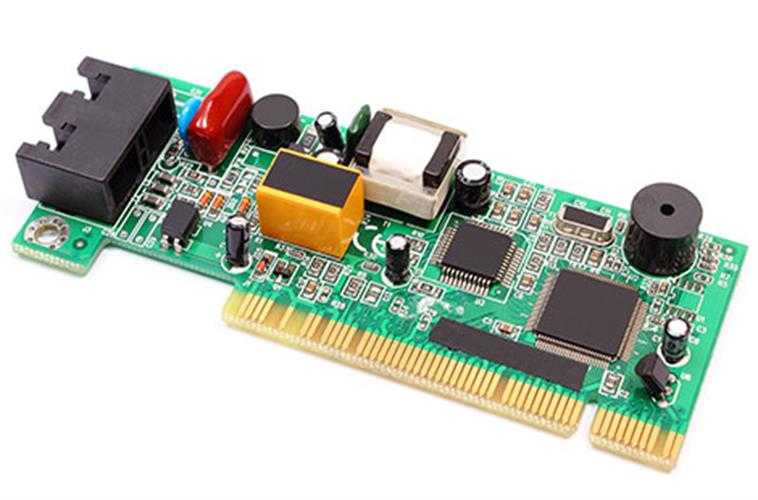
PCB Assembly Service
[a]https%3A%2F%2Fwww.greenpcba.com%2Fpcb-assembly-service%2F[/a] <br>#printed #circuit #assembly <br> <br>GreensTone specializes in the pcba pcb assembly, including: <br>Circuit board assembly <br>Surface mount technologies (SMT) <br>Pin Through Hole <br>Complex secondary operations <br>Automated conformal coating <br>Inspection <br>Automated optical inspection (AOI) <br> <br>GreensTone conducts upfront evaluations of all components, designs and fabrication processes to optimize suppliers and technologies. We recommend appropriate alternatives to minimize risks and reduce costs. <br> <br>GreensTone is a cost-effective electronic contract manufacturing company providing one-stop contract electronic assembly services. Our services include: PCB manufacturing, Electronic component sourcing, printed circuit board pcba assembly, chip programming, confirmal coating, cable assembly, CNC/injection molding service, plastic/metal case assembly, and final testing. <br> <br>GreensTone focused on: <br>PCB assembly <br>Box build assembly <br>One-stop contract electronics manufacturing&assembly <br> <br>GreensTone specialized in: <br>SMT, Through-hole <br>Full PCB components procurement, <br>Contract PCB assembly OEM <br>CNC, plastic injection molding, sheet metal fabrication <br>Box build assembly <br> <br>How Long Does It Take To Assemble A PCB? <br>Depending on the production quantities, PCB production takes 3-14 business days. For prototype run, it takes 3-5 business days. For volume run, it normall takes 14 business days. pcba circuit board assembly normally take 5-14 business days for small to medium volume production. The components lead time is uncertain, and for normal parts, it can be around 2-4weeks, but for long lead time part like some ICs from TI and Microchip, it would be longer. And it will depend on the lead time which the suppliers provide. <br> <br> <br>What does one stop pcb assembly do? A blank PCB soldered with electronic semiconductors and components. GreensTone PCB assembly process is like this: You send us your design file→ we arrange pcb&pcba manufacture and parts sourcing as per your files request →parts receipt→Parts kit preparation →SMD manchine pragraming→paste stencil fabrication→SMD manchine set-up→SMD verification of component's footprints→assemble PCB top side→assemble PCB bottom side→ Through-hole wave solder/hand solder assembly→ Touch up and testing→ Final QC&shipment <br> <br>How Long Does It Take To Assemble A PCB? <br>About GreensTone <br>GreensTone is an contract electronics manufacturing factory providing one-stop electronic assembly services.Our services include PCB manufacturing, parts procurement, PCB assembly, China prototype pcb pcba assembly services, Mechanical fabrication,Plastic molding and box build.We are concentrated on one-stop contract electronics manufacturing in low-medium volume, and products life-cycle management. <br> <br>Since 2011,our company has successfully served customers in the United States, Australia, Western Europe and other regions of the world spanning many areas,like industrial equipments, communication electronics,Traffic control, medical electronics, security, new energy and laser equipments, etc... <br> <br>There are many contract electronics manufacturing companies, but we are one of the best choices for you. <br> <br>For more about printed circuit assembly, contact us.
About Greens Tone's Store
No description provided.
0.0
Customer Reviews
See what others are saying about Greens Tone's Store. We verify purchases to ensure reviews are genuine.
No reviews yet for this store.