

zoom_in

What constitutes as cyber bullying (stalking)
€0.00
share
Share Product
What constitutes as cyber bullying (stalking)
· Cyberbullying is when an individual becomes a target by others — using computers, cell phones or other devices — to embarrass, humiliate, torment, threaten or harass. It is often repeated and sustained over a period of time.
· The range of cyberbullying tactics is wide and is constantly changing as new technology emerges and different social networking sites pop up.
· Sending mean or threatening messages by email, text or through comments on a social networking page is an example of cyberbullying.
· Another example is spreading rumours, gossip, or secrets about another person through social networking sites, emails or texts.
· Posting online stories to humiliate or embarrass someone constitutes as cyber bullying. As well as hacking their email account.
· Tricking someone to open up and share personal information and then sharing that information with others is another form of cyber bullying.
· Several Criminal Code offences deal with cyber bullying. Depending on the exact nature of the behaviour, the following current offences could be charged:
o Criminal harassment
o Uttering threats
o Intimidation
o Mischief in relation to data;
o Unauthorized use of computer;
o Identity fraud
o Extortion
o False messages, indecent or harassing telephone calls
o Incitement of hatred; and,
o Defamatory libel.
· If an image of you has been shared on the internet that you want removed, visit needhelpnow.ca for the steps that can be taken to get that picture/video off the internet.
· Extortion in the Criminal Code: “Everyone commits extortion who, without reasonable justification or excuse and with intent to obtain anything, by threats, accusations, menaces or violence”
You might also like

Discount London theatre tickets
star
star
star
star
star
4.0/5
$22.00
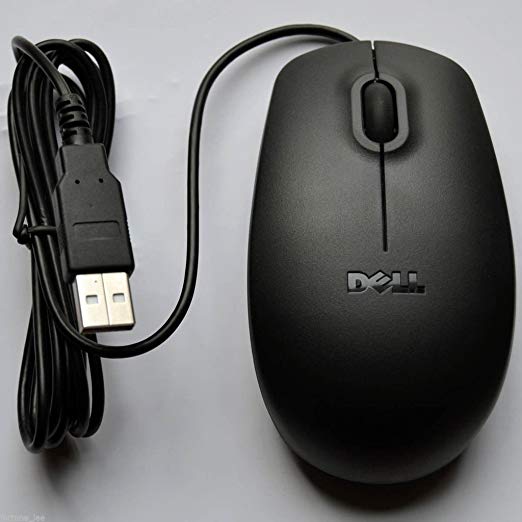
Dell Genuine MS111-P USB Optical Mouse 3 Button Wheel MICE 0X9DCG Original New
star
star
star
star
star
4.0/5
$8.79
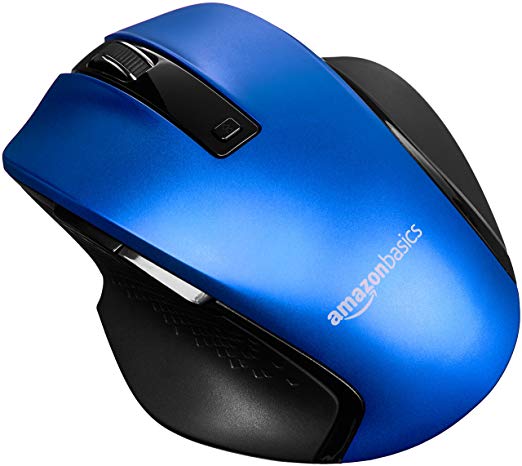
AmazonBasics Compact Ergonomic Wireless PC Mouse with Fast Scrolling - Blue
star
star
star
star
star
4.0/5
$15.99

Best exhibition stand builder for SMM Hamburg 2024
star
star
star
star
star
4.0/5
$0.00