

zoom_in
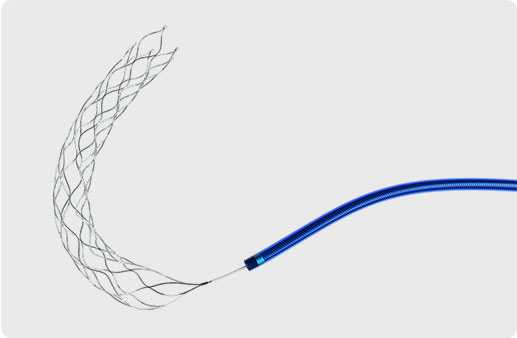
Thrombite™ Clot Retriever Device
€0.00
share
Share Product
Thrombite™ Clot Retriever Device
https://www.zyloxtb.com/healthcare-professionals/thrombite-clot-retriever-device/ ↗
#clot #retrieval
OVERVIEW
HELICAL OPEN-SIDE STRUCTURE
HIGHER ACUTE RECANALIZATION RATE
The Thrombite™ clot retrieval, featuring S-shaped helical open-side structure, is designed for more efficient clot removal and optimum revascularization in a wide range of vessels.
CLOT RETRIEVAL DEVICES FEATURES
HELICAL OPEN-SIDE STRUCTURE
enables Thrombite™ retriever to efficiently entwine and clamp the clot
assures clot retention for confident removal and revascularization
OVERLAPPED STENT AT THE HELICAL OPEN-SIDE STRUCTURE
increases contact surface with thrombus and maximizes clot integration
EXCELLENT FLEXIBILITY AND VESSEL WALL APPOSITION
optimizes clot retention during smooth navigation through the tortuous anatomies
Radiopaque markers on the distal end of the device increase device visibility
3 markers for the sizes with 3.0 and 4.0mm diameter
4 markers for the sizes with 5.0 and 6.0mm diameter
Advanced stent surface treatment process
RADIAL FORCE
High radial force is designed for clot integration at the initial stage of stent expansion
Low radial force at nominal stent diameter ensures atraumatic retrieval
How a Stent Retriever Procedure Is Performed
Stent retrieval device procedure is generally performed in patients with the indications of acute cerebral infarction within six hours. After femoral artery puncture, the catheter is inserted after sheath puncture, and DSA is performed along the catheter to the brain to find the position of blocked vascular. Make the stent retriever reached the position and passing through the clot. Then release to capture the clot. After that, the stent retriever will be extracted along with the clot and finally leave your body.
You might also like

Buy YouTube Views
star
star
star
star
star
4.0/5
$30.00

Combating Neck Pain and Headaches: The Role of Posture Correction in Whiplash Rehab
star
star
star
star
star
4.0/5
$1,000.00
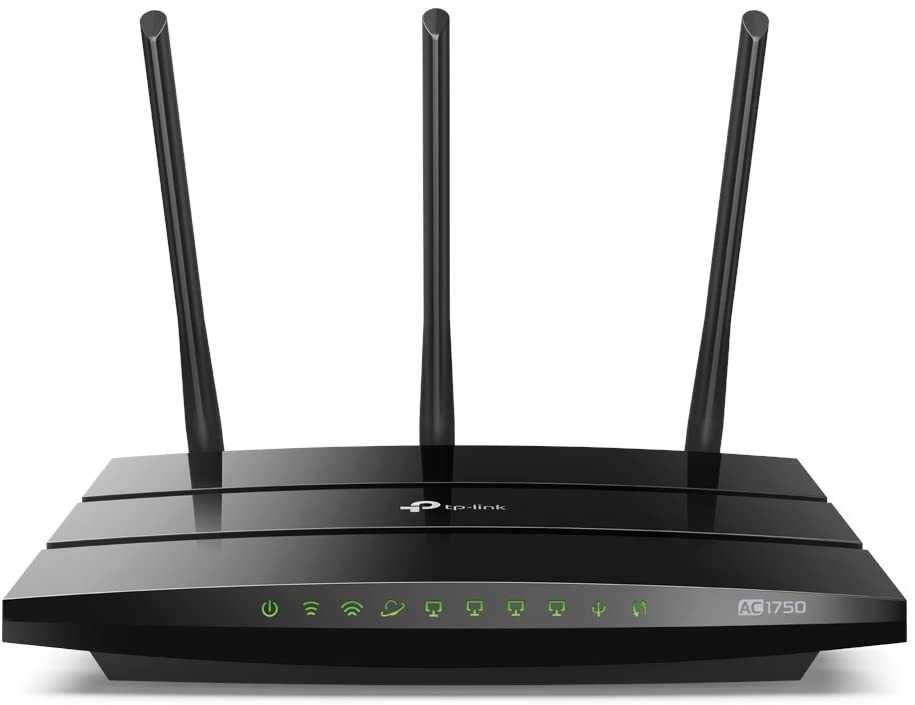
TP-Link AC1750 Smart WiFi Router
star
star
star
star
star
4.0/5
$64.99

Cybersecurity Excellence in Orange County for Business Protection
star
star
star
star
star
4.0/5
$0.00