

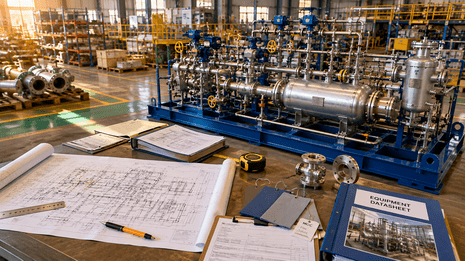
Why Early Engineering Planning Is Important for Oil and Gas Procurement
Oil and gas projects often work under strict deadlines. When project teams need to save time, they may try to speed up procurement by ordering equipment quickly and confirming suppliers as early as possible.
However, purchasing equipment before finalizing important engineering requirements can create unexpected challenges. Changes in specifications, equipment design, supplier information, and system connections may increase costs and delay project completion.
Proper engineering planning helps procurement teams make accurate purchasing decisions and avoid unnecessary problems.
For oil and gas and industrial projects, engineering and procurement must work together to achieve better results.
1. Define Technical Requirements Before PurchasingProcurement teams need clear technical details to select suitable equipment. Before purchasing begins, engineers should identify important requirements such as:
Operating pressure and temperatureProcess conditions and equipment capacityMaterials and construction requirementsElectrical and utility needsInstrumentation and control systemsSafety requirementsApplicable industry standardsEnvironmental conditionsProject specificationsWhen these details are unclear, suppliers may prepare quotations based on different assumptions. The lowest-priced offer may not always meet the project's actual needs.
Clear technical specifications help teams select appropriate equipment and reduce purchasing risks.
2. Reduce Design Changes Through Early PlanningChanges after placing a purchase order can affect project budgets and delivery schedules.
For example, engineers may identify a need to change the equipment material, pressure rating, connection size, or instrumentation arrangement after an order has been placed. These changes may require updated drawings, supplier discussions, additional costs, and manufacturing adjustments.
Front-End Engineering Design (FEED) and early engineering reviews help identify important technical requirements before major purchasing decisions are made.
Although some changes are unavoidable, proper planning can reduce unnecessary revisions and delays.
3. Choose Equipment Based on Quality and PerformanceEquipment selection should consider more than the purchase price. Different suppliers may offer products with different technical features, reliability levels, and operating capabilities.
Engineering teams should evaluate:
Technical complianceMaterial suitabilityEquipment performanceReliability and safetyMaintenance requirementsCertifications and documentationOperating efficiencyLong-term costsSelecting equipment that meets project requirements helps improve operational reliability and reduce future maintenance issues.
The main goal is to choose the most suitable technical solution rather than simply selecting the cheapest supplier.
4. Improve Supplier Selection With Technical Bid EvaluationTechnical Bid Evaluation (TBE) helps engineering teams compare supplier offers against project specifications.
This process can identify missing information, technical deviations, material differences, scope exclusions, and performance limitations before the final supplier is selected.
Early identification of these issues helps prevent unexpected changes during manufacturing and installation.
Engineering teams can also provide technical information that supports commercial negotiations and purchasing decisions.
5. Identify Equipment Connections EarlyIndustrial equipment must connect properly with other systems within a facility. These connections may involve piping, electrical systems, instrumentation, control systems, structures, utilities, and safety equipment.
Problems can occur when these interfaces are not clearly defined.
For example, changes in equipment dimensions may affect piping and plant layout. Electrical load changes may require updates to power distribution, while instrumentation changes can affect control system design.
Coordinated engineering helps identify these issues before equipment is purchased, reducing the risk of expensive modifications.
6. Review Vendor Documents on TimeEngineering work continues even after a supplier has been selected. Vendor documents provide important information needed to complete detailed engineering and prepare for installation.
These documents may include equipment drawings, dimensions, connection details, electrical loads, instrument information, utility requirements, and foundation loads.
If supplier documents arrive late, other engineering activities may also be delayed.
Close coordination between engineering teams, procurement teams, and suppliers helps ensure that technical information is available when needed.
Engineering supports purchasing decisions, while vendor information helps complete the engineering design.
7. Consider Long-Term Equipment CostsThe initial purchase price is only one part of the total cost of industrial equipment.
Engineering decisions can affect installation, commissioning, energy consumption, maintenance, spare parts, equipment reliability, downtime, and future replacement.
A lower-priced product may create higher expenses if it requires frequent repairs or does not perform efficiently.
This is especially important for equipment used in high-pressure systems, corrosive environments, offshore facilities, and other demanding industrial conditions.
Considering long-term performance helps project teams select equipment that offers better overall value.
How Engineering and Procurement Work TogetherProcurement success is not only about purchasing equipment within the approved budget. Equipment must also meet technical requirements, integrate with the facility, arrive with the correct documentation, and support smooth installation and commissioning.
These results depend on decisions made during the early engineering stages.
Engineering and procurement teams should therefore share information and coordinate their activities throughout the project lifecycle.
Engineering Support From Petronash EngineeringPetronash Engineering supports EPC contractors and industrial clients with engineering capabilities for energy and industrial applications.
Engineering services can help improve procurement preparation through technical specifications, equipment engineering, multidisciplinary coordination, technical bid evaluation, vendor document review, interface management, and detailed engineering.
These activities help project teams understand technical requirements, identify potential issues, and make informed decisions before purchasing equipment.
For more information about industrial engineering services, visit Petronash Engineering ↗.
Frequently Asked Questions1. Why is engineering planning important before procurement?
Engineering planning helps define equipment specifications, operating conditions, safety requirements, and system connections before purchasing begins. This reduces uncertainty and unnecessary changes.
2. What is procurement engineering?
Procurement engineering provides technical support for purchasing activities, including specifications, supplier evaluations, technical clarifications, and vendor document reviews.
3. What is Technical Bid Evaluation?
Technical Bid Evaluation compares supplier offers with project requirements to identify compliance, technical differences, and missing information before selecting a supplier.
4. How does FEED support procurement?
FEED establishes important process, equipment, layout, and utility requirements. It provides a technical foundation for procurement planning and equipment specifications.
5. Can incomplete engineering cause project delays?
Yes. Incomplete specifications can lead to equipment changes, additional supplier discussions, revised drawings, higher costs, and delivery delays.
6. Why are vendor documents important?
Vendor documents provide equipment information needed for detailed design, installation planning, and coordination with other systems.
7. How can engineering service providers help EPC contractors?
They can support technical specifications, equipment engineering, supplier evaluation, vendor coordination, document reviews, and multidisciplinary engineering activities.
ConclusionFast procurement is useful for meeting project deadlines, but purchasing equipment quickly does not always mean completing the project faster.
Early engineering planning helps define requirements, select suitable equipment, reduce technical risks, and avoid costly changes.
When engineering and procurement teams work together, they can improve project coordination, manage costs, and support reliable project execution.
For more information, visit www.petronashengineering.com ↗