

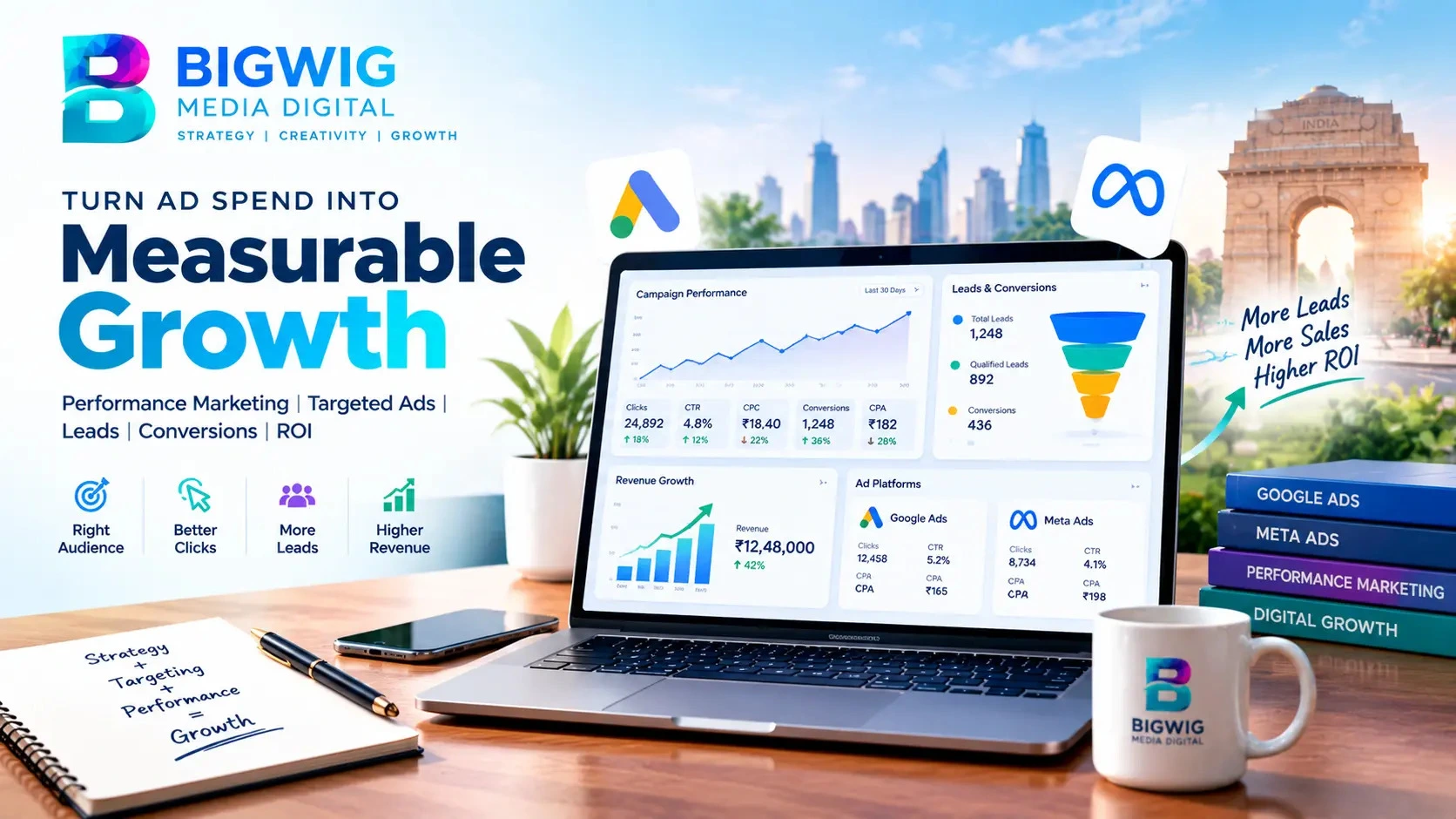
Performance Marketing for Startups: Strategies for Better Growth

Starting a business is exciting, but growing it can be challenging. Startups often have limited marketing budgets, small teams, and strong competition. They need to reach potential customers, build brand awareness, and generate sales without wasting valuable resources.
This is where performance marketing can help. It allows startups to run digital campaigns around specific goals and measure the results. Instead of guessing which marketing activities work, businesses can use data to understand customer behaviour and improve their strategies.
With the right planning, performance marketing can help startups attract relevant audiences, test their offers, and build a stronger foundation for growth.
What Is Performance Marketing for Startups?Performance marketing ↗ is a digital marketing approach that focuses on measurable actions, such as website visits, enquiries, leads, app installs, or sales.
For startups, this means setting clear campaign goals and measuring whether marketing activities contribute to those goals.
For example, a startup selling skincare products may run paid social campaigns to attract potential customers to its online store. A software startup may use Google Ads to reach people searching for a solution to a specific business problem.
In both cases, campaign results can help the business understand which messages, audiences, and channels are worth investing in.
Common performance marketing channels include Google Ads, Facebook and Instagram advertising, affiliate marketing, and other paid digital campaigns.
Startups can also support paid campaigns with strong landing pages, useful content, and organic social media activity.
Why Performance Marketing Matters for StartupsStartups need to make careful decisions about how they spend their money. A large advertising budget does not automatically lead to better results, particularly when the target audience and marketing message are unclear.
Performance marketing offers several advantages.
Measurable ResultsStartups can track useful indicators such as clicks, enquiries, conversions, and customer acquisition costs. This makes it easier to understand how campaigns are performing.
Better Budget ControlBusinesses can begin with a manageable budget, test their campaigns, and make adjustments based on the results. Spending should increase only when there is enough evidence that a campaign can deliver value.
Audience InsightsCampaign data can help startups understand which audiences respond to their offers, which messages attract interest, and which products or services receive the most attention.
Faster LearningStartups often need to test their business assumptions. Marketing campaigns can provide useful feedback about customer interest, pricing, messaging, and demand.
Performance marketing does not guarantee immediate sales, but it can help businesses make more informed decisions.
1. Set Clear Marketing Goals Before Launching CampaignsOne of the first steps in performance marketing is deciding what the startup wants to achieve.
A campaign without a clear goal can generate activity without producing meaningful business results.
Startups may focus on objectives such as:
Generating qualified leadsIncreasing online salesDriving relevant website trafficPromoting a new productEncouraging demo bookingsIncreasing app installsBuilding an email subscriber listThe goal should be specific and measurable. For example, a startup may aim to generate qualified enquiries at a sustainable cost rather than simply increase website visits.
It is also useful to define what counts as a successful conversion. A form submission, completed purchase, and qualified sales lead are different outcomes and should be tracked separately.
2. Understand Your Target AudienceBefore investing in advertising, startups should understand the people most likely to benefit from their products or services.
Useful questions include:
What problem does the product solve?Who experiences this problem?What factors influence their buying decisions?Where do potential customers search for information?What concerns may prevent them from making a purchase?Startups can gather insights from customer interviews, sales conversations, website analytics, search queries, and competitor research.
This information can help businesses create more relevant advertising messages and choose suitable marketing channels.
For example, a business selling software to companies may need to target decision-makers who are looking for ways to improve their operations. A local food business may focus on people within a practical delivery area.
Specific targeting can improve relevance, but startups should avoid narrowing audiences so much that campaigns cannot reach enough potential customers.
3. Choose the Right Advertising ChannelsStartups do not need to advertise on every platform. The best channel depends on the product, audience, budget, and customer journey.
Google Ads for High-Intent SearchesGoogle Ads can help startups reach people searching for relevant products or services. Search campaigns may be particularly useful when potential customers already know what they need.
Startups should research relevant keywords, write clear advertisements, and send visitors to landing pages that closely match their searches.
They should also monitor search terms and exclude irrelevant traffic where appropriate.
Facebook and Instagram Ads for Audience ReachFacebook and Instagram advertising can help startups introduce their products, showcase benefits, and reach audiences based on available targeting options.
Visual content, short videos, customer-focused messages, and clear offers can help communicate a product's value.
These platforms can be useful when customers may not be actively searching for the product but could be interested after seeing a relevant advertisement.
Organic Social Media for Trust and EngagementPaid campaigns can attract attention, while organic social media content helps businesses share updates, answer questions, and communicate their brand personality.
Startups can publish product demonstrations, educational posts, behind-the-scenes content, and answers to common customer questions.
A combination of paid and organic activity may support a more consistent online presence.
4. Start With a Realistic Advertising BudgetMany startups worry that effective advertising requires a large investment. In reality, a sensible starting budget depends on the market, competition, average customer value, and cost of reaching potential customers.
Before launching campaigns, startups should decide how much they can afford to spend on testing without putting pressure on essential business expenses.
A practical approach is to:
Select one or two relevant channels.Define a clear campaign objective.Set a budget that the business can manage.Track conversions and lead quality.Review results before increasing spending.Startups should avoid dividing a small budget across too many platforms because this can make it difficult to collect enough useful data.
The purpose of an initial campaign is to learn what works and whether the economics of customer acquisition are sustainable.
5. Create Landing Pages That Encourage ActionGetting visitors to a website is only one part of marketing. Startups also need to give visitors a clear reason to take the next step.
A landing page should explain the offer, show how it benefits the customer, and make the next action easy to understand.
Effective landing pages often include:
A clear headlineA short explanation of the main benefitRelevant product or service detailsA visible call to actionTrust signals such as genuine testimonials, where availableA simple form or checkout processA mobile-friendly layoutFor example, if an advertisement promotes a free software demo, the landing page should make booking that demo straightforward.
The page should also match the advertisement's message. When visitors see consistent information, they can understand the offer more easily.
6. Track the Metrics That MatterPerformance marketing works best when startups measure results that relate to their business goals.
Useful metrics include:
Click-Through Rate (CTR): The percentage of impressions that result in clicks.
Cost Per Click (CPC): The average amount paid for each advertising click.
Cost Per Lead (CPL): The average marketing cost for generating a lead.
Conversion Rate: The percentage of relevant visitors who complete a desired action.
Customer Acquisition Cost (CAC): The average cost of acquiring a new customer.
Return on Advertising Spend (ROAS): The revenue attributed to advertising divided by advertising spend, based on the measurement method used.
These metrics should be interpreted together. A campaign with a low CPC may still perform poorly if the visitors do not become customers.
Startups should ensure that tracking is configured correctly and distinguish between leads, qualified leads, and actual sales wherever possible.
7. Test Different Advertising MessagesA startup may have a strong product but struggle to explain its value clearly. Testing different messages can help the business understand what matters most to its audience.
For example, a business may test whether customers respond better to a message about saving time, reducing costs, or simplifying a difficult task.
Other elements worth testing include:
HeadlinesImages and videosCalls to actionProduct benefitsOffersLanding page layoutsTesting should be planned carefully. Changing many elements at the same time makes it harder to understand why results improved or declined.
Startups should allow tests to collect enough data before making a decision. Not every early improvement will continue over time.
8. Use Remarketing to Reconnect With Interested AudiencesPotential customers often need more than one interaction before they make a decision.
Remarketing allows businesses to reach eligible audiences who previously visited their website or interacted with their marketing, subject to advertising platform rules and applicable privacy requirements.
For example, an online store may show relevant advertisements to people who viewed a product but did not purchase it.
A startup can use remarketing to share additional product information, answer common questions, or remind interested visitors about a relevant offer.
However, remarketing should be used thoughtfully. Repeated advertisements without useful information can frustrate audiences and waste money.
9. Improve Lead Quality and Follow-UpFor startups that sell services or business solutions, lead generation is often an important marketing objective. However, collecting contact details is not enough.
Businesses need a process for assessing, contacting, and following up with leads.
A simple process may include:
Asking relevant questions on enquiry formsResponding to enquiries promptlyRecording the source of each leadIdentifying which leads are qualifiedTracking how many leads become customersSharing sales feedback with the marketing teamThis information helps startups understand which campaigns generate valuable business opportunities.
A campaign that produces fewer qualified leads may be more valuable than one that produces a large number of enquiries that never turn into sales.
10. Optimize Campaigns Based on DataCampaign optimization means reviewing results and making informed improvements.
Startups should identify where potential customers drop out of the journey. If advertisements receive clicks but few enquiries, the landing page or offer may need attention. If leads are generated but rarely become customers, the audience, qualification process, or sales follow-up may need improvement.
Regular optimization may include adjusting targeting, refining advertisements, improving landing pages, reviewing search terms, and reallocating budgets.
Businesses should also consider seasonality, competition, sales cycles, and changes in customer demand.
The objective is to build a repeatable process that supports growth rather than making random changes in the hope of getting better results.
11. Common Performance Marketing Mistakes Startups Should AvoidStartups can improve their chances of success by avoiding several common mistakes.
Launching without research: Understand your customers and competitors before spending heavily.
Expecting instant results: Some campaigns need time and testing to produce reliable insights.
Ignoring tracking: Without accurate conversion data, it is difficult to measure success.
Focusing only on clicks: Website traffic is useful only when it supports the campaign's actual goal.
Spending too much too soon: Test carefully and increase budgets when results support the decision.
Using weak landing pages: Make sure the website clearly explains the offer and guides visitors toward the next step.
Failing to follow up: Slow or inconsistent follow-up can reduce the value of leads generated through advertising.
Avoiding these mistakes can help startups use their marketing resources more effectively.
How Bigwig Media Digital Can Support Startup GrowthBigwig Media Digita ↗l ↗offers digital marketing services to help businesses improve online visibility, reach relevant audiences, and work toward measurable marketing goals.
Its performance marketing services can support businesses with paid campaign planning, audience targeting, advertising management, and campaign optimization.
Startups interested in improving their advertising approach can visit the Performance Marketing Services page ↗ to learn more about the service.
The right strategy will depend on the startup's target market, business model, available budget, and growth objectives. A clear plan and consistent performance reviews can help businesses make more informed decisions as they develop.
ConclusionPerformance marketing can be a valuable growth tool for startups because it connects marketing activities with measurable business objectives.
By setting clear goals, understanding the target audience, choosing relevant advertising channels, improving landing pages, and tracking meaningful metrics, startups can learn which strategies work best for their business.
Success does not depend on spending the most money or using every advertising platform. It depends on understanding customers, testing ideas carefully, and improving campaigns based on reliable information.
With a practical strategy and consistent optimization, performance marketing can help startups build stronger customer relationships and create a more sustainable path to business growth.
Frequently Asked Questions
1. Is performance marketing suitable for startups?
Yes. Startups can use performance marketing to test campaigns, measure results, and manage budgets according to their business goals.
2. Which performance marketing channel should a startup use first?
The choice depends on the audience and product. Google Ads may suit businesses whose customers actively search for a solution, while social media advertising can help introduce products to relevant audiences.
3. How much should a startup spend on performance marketing?
There is no universal budget. Start with an amount the business can afford to test, monitor the results, and increase spending only when performance and customer economics support it.
4. What is the most important performance marketing metric for startups?
It depends on the objective. Lead-generation businesses may focus on qualified leads and customer acquisition cost, while online stores may track purchases, revenue, and return on advertising spend.
5. How long does performance marketing take to work?
The timeline varies by industry, campaign type, budget, competition, and sales cycle. Startups should allow sufficient time and data for meaningful evaluation instead of expecting guaranteed immediate results.