

Mortgage Advice Course Online: How to Start a UK Mortgage Career
Buying a home is one of the biggest financial decisions many people make. For most buyers, understanding mortgage options, deposit requirements, interest rates and lender criteria can be challenging. Mortgage advisers help clients navigate these decisions by assessing their circumstances, explaining available options and guiding them through the mortgage application process.
This creates an interesting career opportunity for people who enjoy working with financial information and helping others make important decisions. However, becoming a mortgage adviser involves more than understanding property prices or comparing interest rates. It requires knowledge of mortgage products, affordability, lending procedures, regulation and responsible client communication.
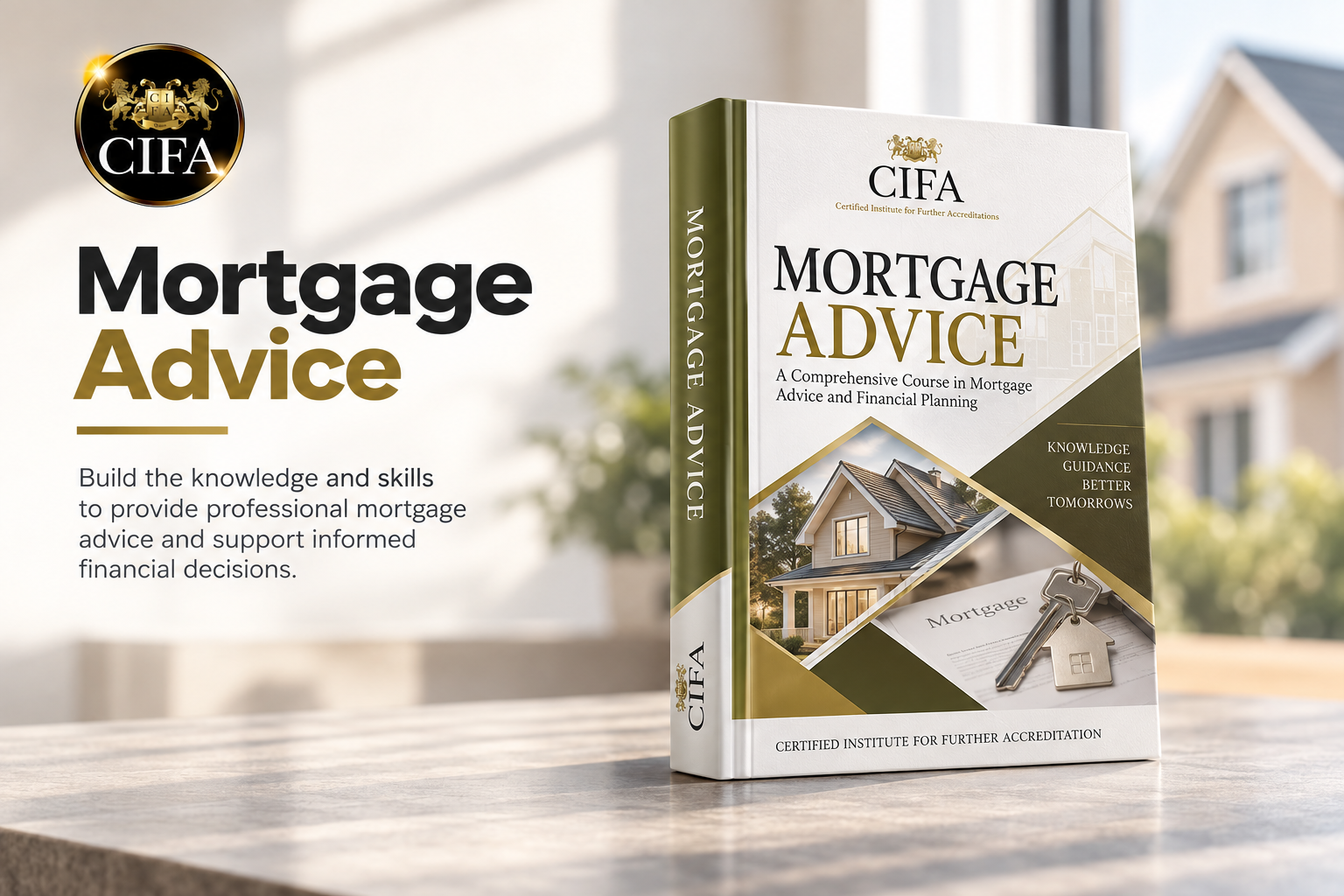
A mortgage advice course online can help aspiring professionals develop this knowledge while studying flexibly. The Mortgage Advice course offered by CIFA introduces the mortgage process, mortgage lending, the mortgage industry, the principles of mortgage advice and available mortgage solutions. For those considering this career path, the ↗Mortgage Advice ↗ course provides a starting point for understanding the industry and the responsibilities involved.
What Does a Mortgage Adviser Do?A mortgage adviser helps clients understand mortgage options in relation to their financial circumstances and property objectives. Depending on the adviser's role and permissions, this can involve gathering information about income, expenditure, credit commitments and deposit funds before assessing which products may be appropriate.
The adviser may explain differences between repayment and interest-only mortgages, discuss fixed and variable interest rates, and help clients understand the implications of their choices. They may also guide applicants through documentation requirements and liaise with lenders, estate agents, solicitors or other professionals involved in a property transaction.
Mortgage advice requires both financial understanding and interpersonal skills. Clients may be unfamiliar with lending terminology or anxious about affordability, so advisers need to communicate clearly without making unrealistic promises about approval.
The role also involves regulatory responsibilities. Advisers must work within the permissions, procedures and standards that apply to their activities, putting suitable processes and client interests at the centre of their work.
Why Take an Online Mortgage Advice Course?Online learning offers flexibility for people who need to balance professional development with work, family or other commitments. Rather than following a fixed classroom timetable, learners can organise study around their availability, subject to the course's assessment requirements.
A structured course can also help learners understand the mortgage market in a logical sequence. Instead of trying to learn individual mortgage terms in isolation, they can study how lending, client assessments, product selection and regulatory responsibilities fit together.
The CIFA Mortgage Advice course is delivered digitally and lists 45 CPD hours. It is classified at intermediate level, so prospective learners should review the syllabus and consider whether their existing knowledge is sufficient before enrolling.
Online study is particularly useful when learners approach it actively. Taking notes, revisiting difficult concepts and working through realistic examples can help turn theoretical knowledge into a foundation for future professional training.
What Will You Learn on the Mortgage Advice Course?The course covers five main areas, each contributing to an understanding of how mortgage advice works in practice.
1. Understanding the Mortgage ProcessThe mortgage process involves several stages, from an initial discussion about a client's needs to an application and a lender's decision. Learners explore the sequence of activities and the information typically required at different points.
An adviser needs to understand why accurate information matters. Incorrect or incomplete details about income, expenditure, employment or existing credit commitments can affect an affordability assessment or delay an application.
Understanding the process also helps learners recognise the different responsibilities of advisers, lenders, solicitors and other parties involved in a property purchase.
2. Mortgage Lending and Lender CriteriaMortgage lenders assess applications according to their lending policies, eligibility requirements and risk assessments. These may include income verification, employment circumstances, credit history, deposit size, existing financial commitments and the property itself.
A lender's decision is not based on one factor alone. A client with a strong income may still face affordability constraints if their financial commitments are high, while a suitable deposit does not automatically guarantee approval.
Learning about mortgage lending helps aspiring advisers understand why clients need to be assessed individually and why a product that suits one borrower may not be suitable for another.
3. The UK Mortgage IndustryThe mortgage market includes lenders, mortgage advisers, brokers, banks, building societies and specialist providers. Each plays a different role in helping borrowers access finance.
Learners are introduced to the structure of the industry and the environment in which mortgage advice is provided. This knowledge can help them understand how mortgage products reach customers, how lenders assess applications and why the regulatory framework matters.
It also provides context for researching potential employers and identifying the type of mortgage-related work that best matches their interests.
4. The Principles of Mortgage AdviceMortgage advice is not simply about finding the lowest advertised interest rate. Advisers need to understand a client's needs, circumstances and financial objectives before considering suitable options.
Important considerations can include the initial rate, fees, repayment structure, mortgage term, potential changes in repayments and the consequences of early repayment charges. The adviser must also explain relevant limitations and ensure the recommendation is appropriate within the applicable regulatory framework.
This topic highlights the importance of asking relevant questions, assessing information carefully and communicating recommendations in language clients can understand.
5. Mortgage Solutions and Product TypesMortgage products differ in how repayments are structured and how interest rates can change.
A fixed-rate mortgage offers an interest rate fixed for an agreed period, providing greater certainty over the interest rate during that time. A variable-rate mortgage can change according to the relevant rate structure and lender terms. A repayment mortgage gradually repays both the capital and interest, while an interest-only mortgage requires the borrower to repay the capital through a separate plan or arrangement.
These products have different implications for budgeting, risk and long-term financial commitments. Learning how they work helps aspiring advisers understand the questions that must be considered before a recommendation is made.
Who Should Consider a Mortgage Advice Course?A mortgage advice course may suit graduates, career changers and professionals interested in financial services or property finance. It can also be relevant to people already working in banking, estate agency, insurance or financial administration who want to develop a better understanding of mortgages.
For beginners, the course provides an opportunity to explore the subject before committing to a longer professional pathway. Existing finance professionals may use it to broaden their knowledge or identify areas where additional training would be useful.
However, the appropriate starting point depends on your career objective. Someone interested in mortgage administration may need a different combination of skills from someone planning to provide regulated mortgage advice directly to clients.
How Much Does the CIFA Mortgage Advice Course Cost?The published enrolment price for the CIFA Mortgage Advice course is £358. The listed package includes digital learning materials, chapter-based mock examinations, lifetime portal access, a digital profile and access to the careers panel.
An optional study support package is listed separately at £72 and includes additional resources such as prerecorded webinars and PowerPoint presentations. Check the current course page to confirm the latest inclusions and fees before enrolling.
The course lists 45 CPD hours, but CPD hours should not be confused with the number of calendar days needed to finish. Your completion time will depend on your study schedule and familiarity with the material.
The provider states that a digital certificate of achievement is available after successfully passing the required examination. Prospective learners should also check the assessment arrangements and whether any separate examination or proctoring charges apply.
How to Start a Mortgage Career in the UKCompleting a course can be a useful first step, but a career plan should account for the qualifications and regulatory requirements associated with the role you intend to pursue.
Start by researching mortgage adviser, mortgage administrator and mortgage support vacancies. Compare the requirements carefully: some employers recruit trainees and provide further development, while others expect candidates to hold relevant qualifications or have previous experience.
For roles involving regulated mortgage advice, check the requirements of the Financial Conduct Authority (FCA) and the relevant employer or network. Appropriate qualifications, regulatory permissions and supervision arrangements may be necessary before you can advise customers. A general online course should not automatically be treated as sufficient authorisation to practise.
You can then build your professional profile through further recognised training, practical experience and transferable skills. Clear communication, accurate record-keeping, attention to detail and the ability to explain financial concepts are all valuable in mortgage-related work.
For information about the provider and its other training programmes, visit ↗About CIFA ↗.
Is an Online Mortgage Advice Course Worth It?The value of a course depends on how well it matches your goals and what you do with the knowledge afterwards. For someone exploring the mortgage industry, a structured programme can help explain lending procedures, product features and the principles behind client-focused advice.
The CIFA course's 45 CPD hours and five subject areas offer a foundation for understanding the mortgage process. Its digital format may also suit learners who prefer to organise their own study schedule.
However, the course does not guarantee a job or automatically satisfy every requirement for becoming a regulated mortgage adviser. Before paying, compare the syllabus with the requirements of your intended role and establish whether additional qualifications or supervised experience will be needed.
Build Your Future in Mortgage AdviceA successful mortgage career combines technical knowledge with the ability to understand clients' circumstances and explain financial choices responsibly. Learning about mortgage products, affordability, lending criteria and the application process provides a useful foundation for developing these capabilities.
The Mortgage Advice course from CIFA offers an online introduction to the subject, helping learners explore the industry and plan their next steps. With a clear understanding of the course's scope, realistic career expectations and a commitment to further professional development, you can make a more informed decision about whether mortgage advice is the right direction for you.