
How House Clearance Companies Give Unwanted Items a Second Life

Clearing a property can be challenging, particularly when there is unwanted furniture, clothing, electrical equipment, and other household belongings to sort through. Whether you are moving home, preparing a property for sale, or managing a bereavement, deciding what to do with these possessions takes time and effort.
Fortunately, many house clearance companies help reduce waste by identifying reusable items that could benefit charitable organisations. But how does the donation process work, and which belongings can be donated?
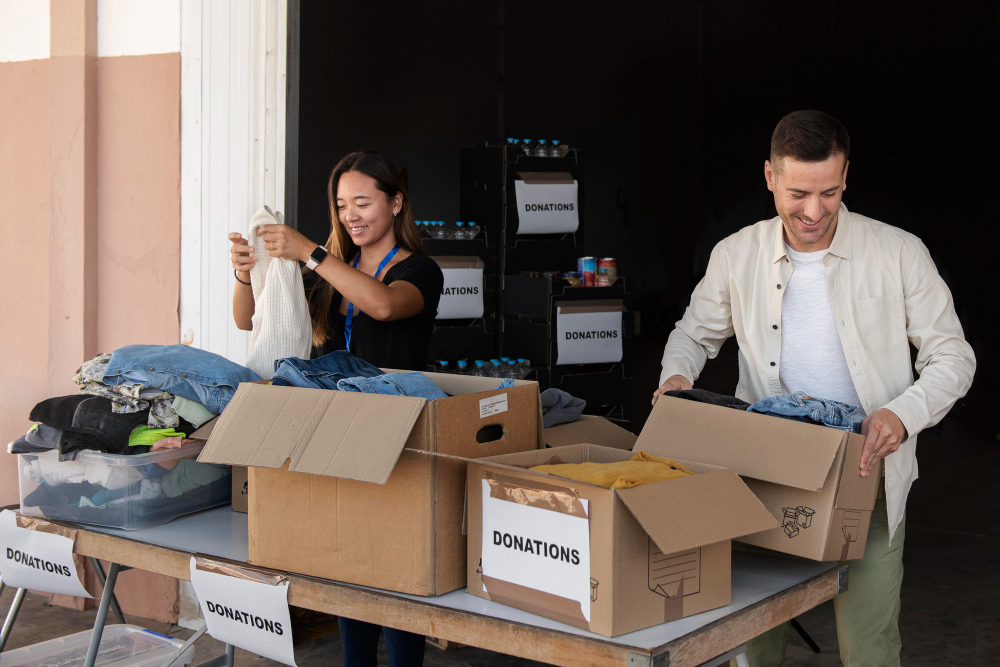
Key TakeawaysHouse clearance companies may donate reusable belongings to charities and community organisations.Furniture, clothing, books, toys, and household goods can often be donated if they meet acceptance requirements.Donations help support communities and reduce unnecessary waste.Always check a company's donation policy before booking a clearance service.Items unsuitable for donation should be recycled or disposed of responsibly wherever possible.How Do House Clearance Companies Donate Items to Charity?Many professional house clearance companies aim to reuse and recycle belongings rather than send everything to landfill. During a clearance, their teams assess furniture, clothing, kitchenware, books, and other household items to determine whether they can be reused.
Suitable possessions may be passed to charity shops, community organisations, furniture reuse projects, or other charitable initiatives. These donations can provide affordable essentials to people who need them.
However, not every company works directly with charities. Some have established donation partnerships, while others focus on recycling and responsible waste disposal. Therefore, ask about donation arrangements before choosing a provider.
What Items Can Be Donated to Charity?The items accepted depend on each charity's requirements, storage capacity, and safety standards. Common donations include:
Furniture: Tables, chairs, wardrobes, bookshelves, and sofas in good condition.Clothing and accessories: Clean clothes, shoes, handbags, and other wearable items.Books and toys: Books, games, and safe, complete children's toys.Household goods: Kitchenware, ornaments, and useful everyday essentials.Electrical appliances: Working appliances that meet the receiving organisation's safety requirements.Before donating, ensure items are clean, usable, and safe. Contact the charity or clearance company to confirm acceptance, as some belongings may require additional checks.
Benefits of Donating Unwanted Items During House ClearanceDonating reusable possessions offers several advantages for homeowners, charities, and the environment.
Supporting people in need: Furniture, clothing, and household essentials can help individuals and families furnish their homes affordably.Reducing landfill waste: Reusing belongings extends their lifespan and reduces the volume of waste requiring disposal.Helping charitable causes: Charity shops may sell donated goods to raise money for community services, healthcare, research, and other worthwhile initiatives.Encouraging sustainability: Prioritising reuse and recycling supports more environmentally responsible clearance practices.Donation-focused clearance also gives homeowners peace of mind, knowing that suitable possessions may benefit others instead of being discarded.
How to Choose a Responsible House Clearance CompanyIf charitable donations are important to you, ask a few questions before booking a clearance service:
Does the company work with local charities or reuse organisations?Does it separate reusable items from general waste?Can it explain how donated and recyclable belongings are handled?Does it follow appropriate waste disposal procedures and hold any necessary waste carrier registration?In England, you can check waste carrier registration through the Environment Agency.
When arranging House Clearance in East Grinstead ↗, ask providers whether they identify suitable items for donation and how they manage recyclable materials. Similarly, people looking for House Clearance in Kingswood ↗ can compare companies based on their donation policies, transparency, and responsible disposal practices.
A reliable company should clearly explain what happens to your belongings rather than guarantee that every item will be donated.
Are All Unwanted Items Suitable for Charity?No. Charities generally cannot accept belongings that are damaged, heavily stained, unsafe, or unsuitable for reuse. Broken furniture, faulty electrical equipment, contaminated materials, and certain mattresses may be refused because of hygiene, safety, or storage concerns.
When donations are not possible, reputable clearance companies should consider appropriate recycling options or authorised waste disposal routes.
If you have particular items you would like to donate, discuss them with your clearance provider before collection. This helps avoid rejected donations and unnecessary waste.
ConclusionHouse clearance companies can help unwanted possessions find a new purpose by directing reusable furniture, clothing, books, and household goods towards charitable organisations. This approach can support communities, reduce waste, and encourage more sustainable clearance practices.
If you need House Clearance in East Grinstead or House Clearance in Kingswood, consider choosing a provider that explains its donation and recycling practices clearly. Discussing your preferences in advance can help ensure that suitable belongings are reused wherever possible.
Whether you are clearing one room or an entire property, prioritising donation and recycling is a practical way to make house clearance more environmentally responsible.
Also Read: How Long Does a House Clearance Take? A Complete Guide ↗